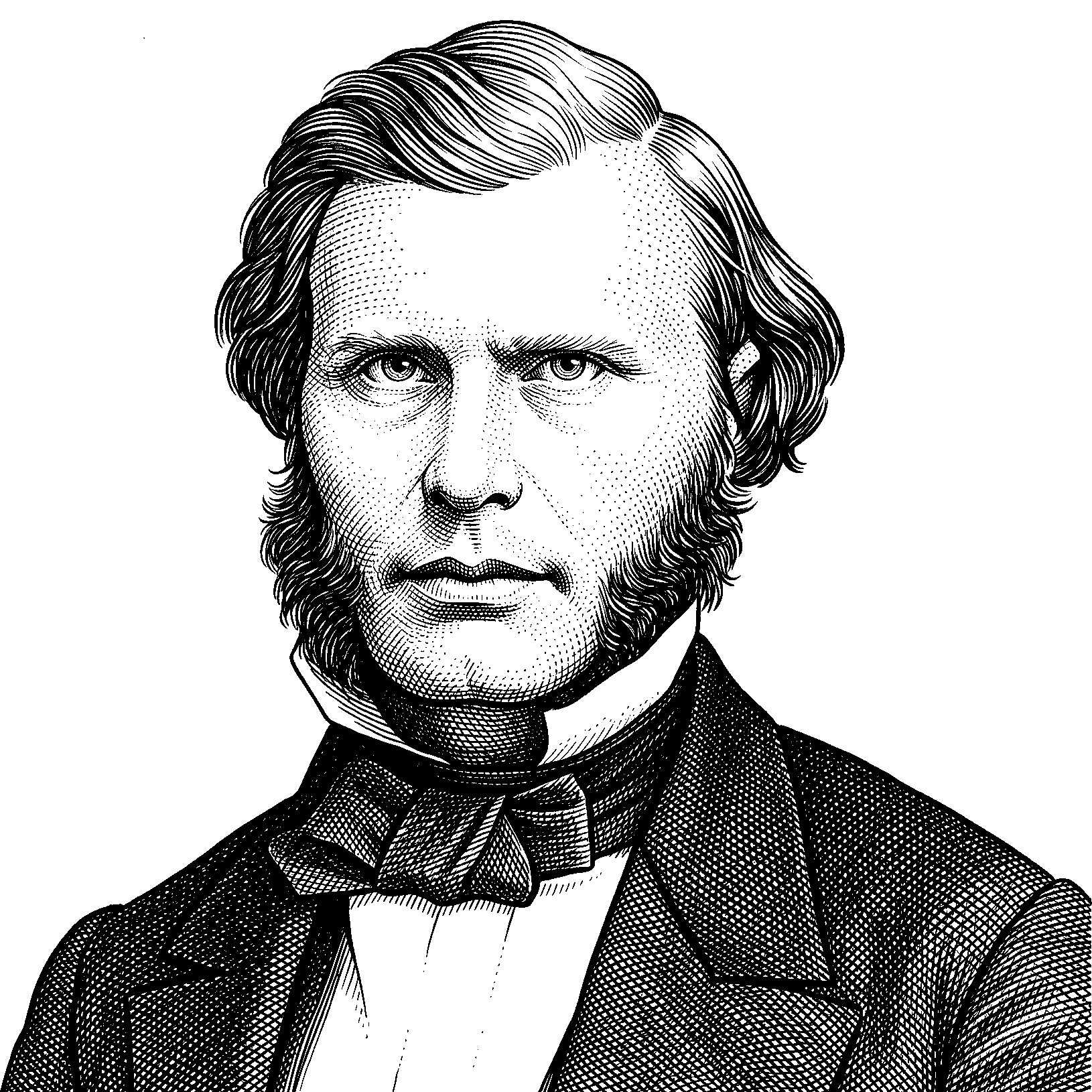
John A. Widtsoe on Harmonization

John A. Widtsoe

John A. Widtsoe

By recognizing our universe as one of law, order, and intelligence, science has driven fear from the hearts of men. Intelligence acts in intelligent ways. The intelligence at the head of all things may be trusted to act intelligently. There arises therefrom a trust in the things about us. The age-old horror, called fear, which has so long distracted humanity, vanishes. Superstition is laid low. Men come to understand better the love of God, and his offerings of goodness. Certainly, in so doing, science has contributed to religious faith.

Evidences and Reconciliations, pages 88-89, Salt Lake City, Utah: Bookcraft, 1987

Related Quotes

Wilford WoodruffWilford Woodruff

President Young asked Elder Orson Pratt what he thought of his preaching that intelligent beings would continue to learn to all eternity. Pratt said that he believed the Gods had a knowledge at the present time of every thing that ever did exist to the endless ages of all eternity. . . . President Young remarked that . . . it was not true: it was false doctrine, for the Gods and all intelligent beings would never cease to learn.

W. W. PhelpsW. W. Phelps

Well, now, Brother William, when the house of Israel begin to come into the glorious mysteries of the kingdom, and find that Jesus Christ, whose goings forth, as the prophets said, have been from of old, from eternity; and that eternity, agreeably to the records found in the catacombs of Egypt, has been going on in this system, (not this world) almost two thousand five hundred and fifty five millions of years: and to know at the same time, that deists, geologists and others are trying to prove that matter must have existed hundreds of thousands of years;—it almost tempts the flesh to fly to God, or muster faith like Enoch to be translated and see and know as we are seen and known!

James E. TalmageJames E. Talmage

In conclusion, let it be said that science is undoubtedly entitled to a place in the curriculum of Association studies; it should have its right, but at the expense of nothing else that is good. Among our young people I consider scientific knowledge as second in importance only to that knowledge that pertains to the Church and Kingdom of God; such information is of greatest worth to us, because of greatest use.

More from John A. Widtsoe

Truth is truth forever. Scientific truth cannot be theological lie. To the sane mind, theology and philosophy must harmonize. They have the common ground of truth on which to meet.

One of the leading doctrines of the Church resembles the spirit of the law of universal growth so nearly that one is forced to believe that the great truth embodied by this doctrine [eternal progression] is the truth shadowed forth by the law of evolution. … Joseph Smith taught [with regard to humans] a doctrine of evolution which in grandeur and in extent surpasses the wildest speculations of scientific evolutionists.

As science advances and increases, as new discoveries are made, as more complete command is obtained over the forces of nature, the more necessary it becomes that we have a religion to guide us in employing these discoveries. To save the world from science, and to make science the builder of a good world, we must hasten our progress towards the fuller acceptance of God. So, the answer to the question at the head of this article is very simple.

Every person must decide for himself, on the basis of the evidence produced, which of these three opinions as to the age of the earth, before Adam, seems most reasonable to him, whether (1) six days, or (2) six thousand years, or (3) many millions of years. Clearly it does not matter to one’s daily welfare or ultimate salvation which view he adopts, except that every Latter-day saint must seek and cherish truth above all else.

Just what forces were brought into operation, or what process was used, to organize the “elements” into an earth is not known. Latter-day Saints are inclined to hold that forces about us, known in part through common human experience, especially in the field of physical science, were employed in the formation of the earth. The progress of science may yet shed much light on the origin of the earth.