John A. Widtsoe on Harmonization
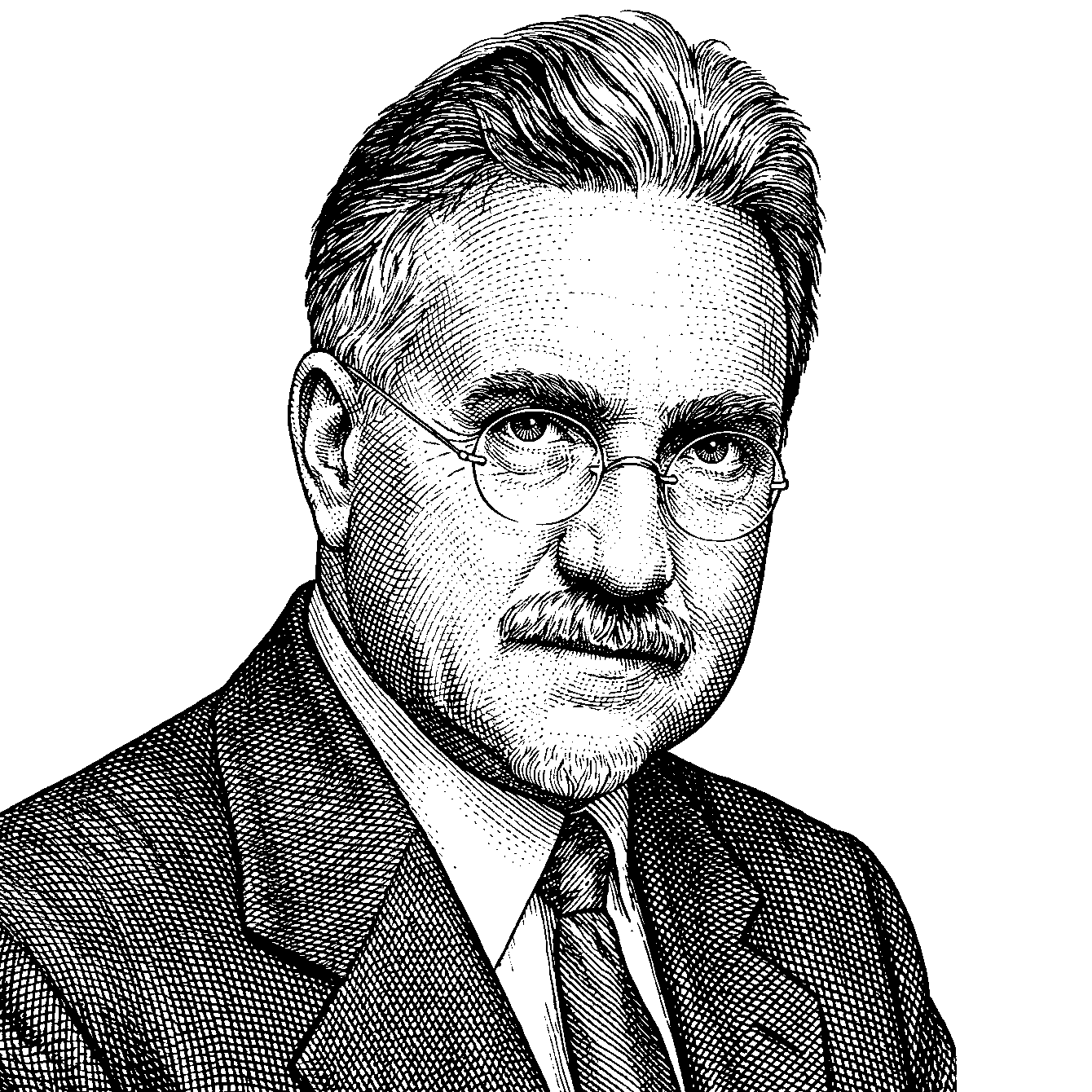
John A. Widtsoe

John A. Widtsoe

As science advances and increases, as new discoveries are made, as more complete command is obtained over the forces of nature, the more necessary it becomes that we have a religion to guide us in employing these discoveries. To save the world from science, and to make science the builder of a good world, we must hasten our progress towards the fuller acceptance of God. So, the answer to the question at the head of this article is very simple. In an age of science we have greater need than ever before of religion. A conscience of science is a present need.

Evidences and Reconciliations, page 178, Salt Lake City, Utah: Bookcraft, 1987
Related Quotes

David O. McKayDavid O. McKay

[President McKay] said, “Brother [Ted] Jacobsen, the United States is trying to put a man on the moon. How would you like to be the first one to fly to the moon?” I [Jacobsen] had never thought about that question. I said, just quickly, “President McKay, I think maybe I’d rather be the second man to fly to the moon, so the first one would have some experience.” He spoke right up and he said, “You know, I’d love to be the first man to fly to the moon. How do you suppose we are going to travel from one planet to another in the hereafter unless we learn how to do some of it on this earth?” Then he quoted the old song in the hymnbook called “If You Could Hie to Kolob.” He quoted every word from memory, all verses of that song to me. And he said, “Now this is just not a figment of imagination. There’s a lot of truth in what this man has put in this song.” … He [McKay] was a kind of forward-looking man, and he was not one who didn’t think that it was possible for us to go to the moon. He wanted to be there also.”

James HughesJames Hughes

Transhumanism—the proposition that human beings should use technology to transcend the limitations of the body and brain—is a product of the Enlightenment humanist tradition. As a consequence most avowed transhumanists are secular, and many religious are skeptical or hostile towards the transhumanist project. However there are also many religious transhumanists who find the project of human enhancement at least consistent with, and sometimes a fulfillment of, their metaphysics, soteriologies and eschatologies.

Brigham YoungBrigham Young

What a pity it would be if we were led by one man to utter destruction! Are you afraid of this? I am more afraid that this people have so much confidence in their leaders that they will not inquire for themselves of God whether they are led by Him.

More from John A. Widtsoe

A miracle is an occurrence which, first, cannot be repeated at will by man, or, second, is not understood in its cause and effect relationship. History is filled with such miracles. What is more, the whole story of man’s progress is the conversion of “miracles” into controlled and understood events. The airplane and radio would have been miracles, yesterday.

In our preexistent state, in the day of the great council, we made a certain agreement with the Almighty. The Lord proposed a plan, conceived by him. We accepted it. Since the plan is intended for all men, we become parties to the salvation of every person under that plan. We agreed, right then and there, to be not only saviors for ourselves but measurably, saviors for the whole human family. We went into a partnership with the Lord.

The Church supports and welcomes the growth of science . . . The religion of the Latter-day Saints is not hostile to any truth, nor to scientific search for truth.

Every person must decide for himself, on the basis of the evidence produced, which of these three opinions as to the age of the earth, before Adam, seems most reasonable to him, whether (1) six days, or (2) six thousand years, or (3) many millions of years. Clearly it does not matter to one’s daily welfare or ultimate salvation which view he adopts, except that every Latter-day saint must seek and cherish truth above all else.

Truth is truth forever. Scientific truth cannot be theological lie. To the sane mind, theology and philosophy must harmonize. They have the common ground of truth on which to meet.