John A. Widtsoe on Theosis
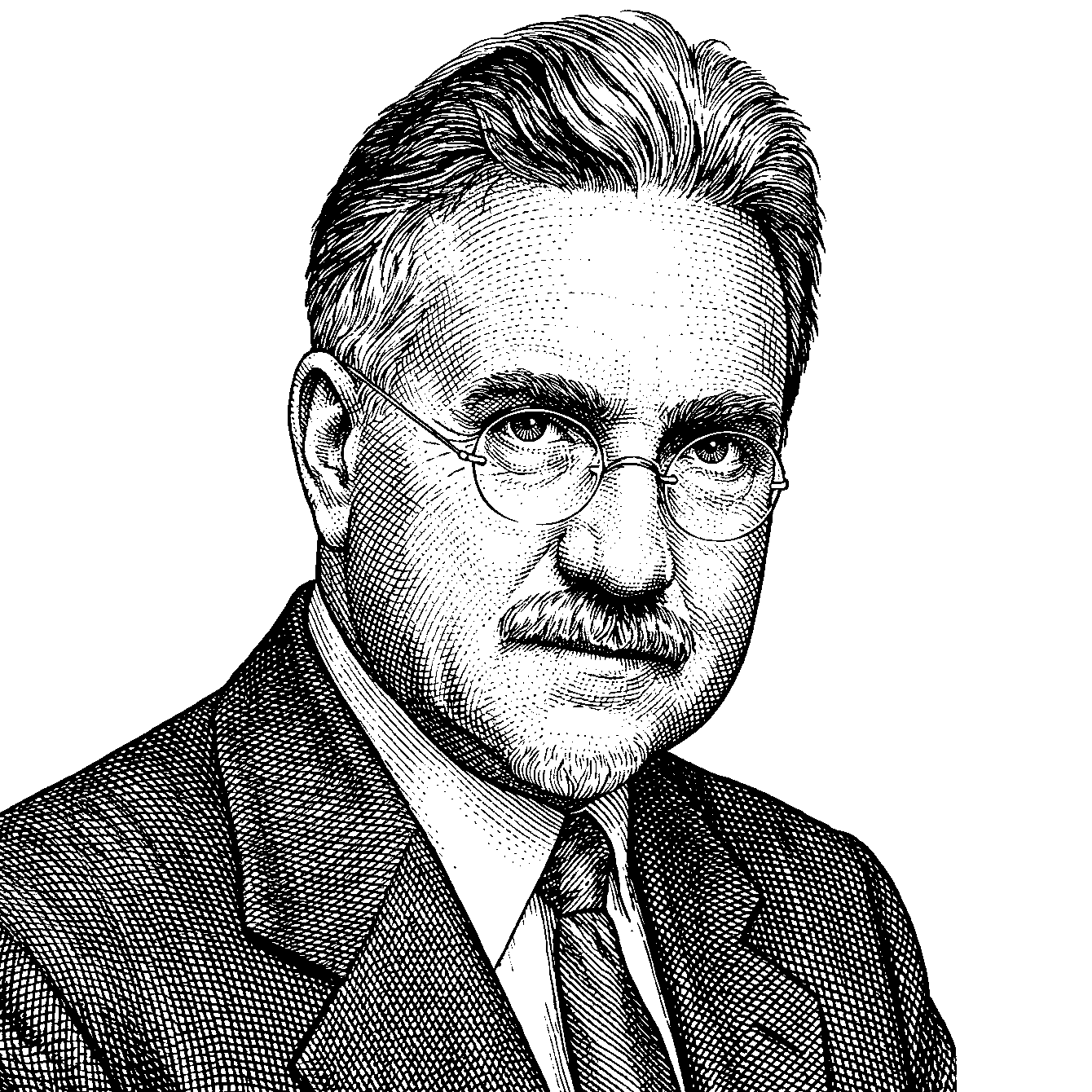
John A. Widtsoe

John A. Widtsoe

In our preexistent state, in the day of the great council, we made a certain agreement with the Almighty. The Lord proposed a plan, conceived by him. We accepted it. Since the plan is intended for all men, we become parties to the salvation of every person under that plan. We agreed, right then and there, to be not only saviors for ourselves but measurably, saviors for the whole human family. We went into a partnership with the Lord.

History of the Church, pages 59-61, B.H. Roberts (editor), Salt Lake City, Utah: Deseret Book, 1980

Related Quotes

E. L. T. HarrisonE. L. T. Harrison

One thing is certain, authority alone is not sufficient to make us representatives of God. Some men possess that, but nothing else. There is scarcely an attribute of God about them. They walk in the authority of their appointment, but not in the virtue, the grace, or the righteousness of it. Strip such men of their authority, and there is nothing of God left to be counted.

Joseph SmithJoseph Smith

I charged the Saints not to follow the example of the adversary in accusing the brethren…. If you do not accuse each other, God will not accuse you.

Brigham YoungBrigham Young

[The sons of perdition] will be decomposed, both soul and body, and return to their native element. I do not say that they will be annihilated; but they will be disorganized, and will be as though they never had been, while we will live and retain our identity, and contend against those principles which tend to death or dissolution.

More from John A. Widtsoe

A miracle is an occurrence which, first, cannot be repeated at will by man, or, second, is not understood in its cause and effect relationship. History is filled with such miracles. What is more, the whole story of man’s progress is the conversion of “miracles” into controlled and understood events. The airplane and radio would have been miracles, yesterday.

By recognizing our universe as one of law, order, and intelligence, science has driven fear from the hearts of men. Intelligence acts in intelligent ways. The intelligence at the head of all things may be trusted to act intelligently. There arises therefrom a trust in the things about us. The age-old horror, called fear, which has so long distracted humanity, vanishes. Superstition is laid low.

The Church supports and welcomes the growth of science . . . The religion of the Latter-day Saints is not hostile to any truth, nor to scientific search for truth.

Every person must decide for himself, on the basis of the evidence produced, which of these three opinions as to the age of the earth, before Adam, seems most reasonable to him, whether (1) six days, or (2) six thousand years, or (3) many millions of years. Clearly it does not matter to one’s daily welfare or ultimate salvation which view he adopts, except that every Latter-day saint must seek and cherish truth above all else.

One of the leading doctrines of the Church resembles the spirit of the law of universal growth so nearly that one is forced to believe that the great truth embodied by this doctrine [eternal progression] is the truth shadowed forth by the law of evolution. … Joseph Smith taught [with regard to humans] a doctrine of evolution which in grandeur and in extent surpasses the wildest speculations of scientific evolutionists.