John A. Widtsoe on Harmonization
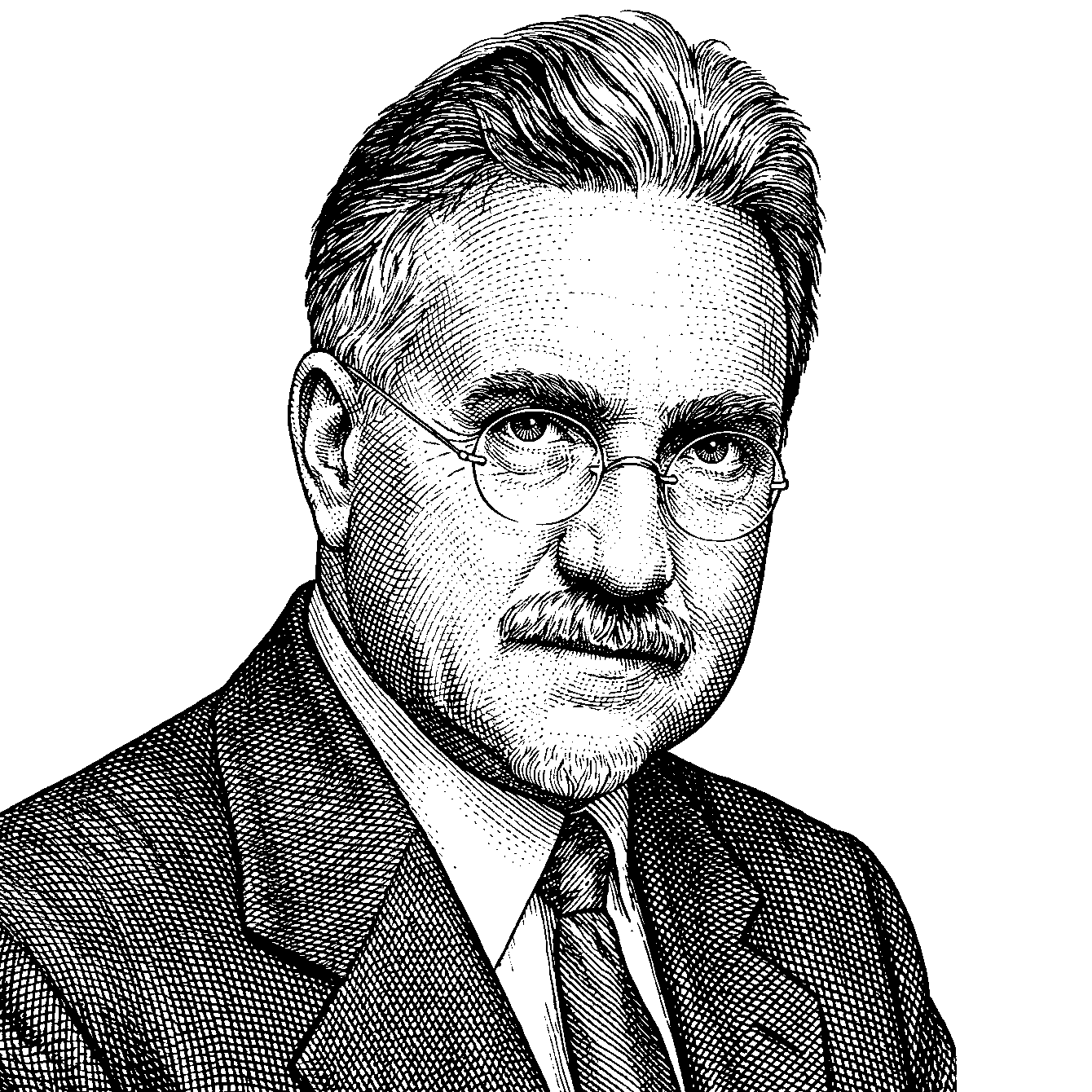
John A. Widtsoe

John A. Widtsoe

“

Truth is truth forever. Scientific truth cannot be theological lie. To the sane mind, theology and philosophy must harmonize. They have the common ground of truth on which to meet.

”
Joseph Smith as Scientist: A Contribution to Mormon Philosophy, page 156, John A. Widtsoe, Salt Lake City, Utah: The General Board, Young Men’s Mutual Improvement Associations, 1908
Related Quotes

Brigham YoungBrigham Young

It is my highest delight and pleasure to serve God and keep his commandments; there is great delight in the law of the Lord to me, for the simple reasonit is pure, holy, just, and true; and those principles which the Lord has revealed are the only correct principles that man possesses on the earth.

Gordon B. HinckleyGordon B. Hinckley

Few American theologies are more complex than that of the Church of Jesus Christ of Latter-day Saints, but its flagship Brigham Young University teaches off-the-shelf, industry-standard evolution. That has been the case since 1931, when the church officially said: “Leave biology, archaeology, and anthropology, no one of which has to do with the salvation of the souls of mankind, to scientific research.” . . . What the church requires is only belief “that Adam was the first man of what we would call the human race,” says Gordon Hinckley, the church’s living prophet. Scientists can speculate on the rest, he says, recalling his own study of anthropology and geology: “Studied all about it. Didn’t worry me then. Doesn’t worry me now.”

Joseph SmithJoseph Smith

The first and fundamental principle of our holy religion is, that we believe that we have a right to embrace all, and every item of truth, without limitation or without being circumscribed or prohibited by the creeds or superstitious notions of men, or by the dominations of one another, when that truth is clearly demonstrated to our minds, and we have the highest degree of evidence of the same.

More from John A. Widtsoe

Every person must decide for himself, on the basis of the evidence produced, which of these three opinions as to the age of the earth, before Adam, seems most reasonable to him, whether (1) six days, or (2) six thousand years, or (3) many millions of years. Clearly it does not matter to one’s daily welfare or ultimate salvation which view he adopts, except that every Latter-day saint must seek and cherish truth above all else.

As science advances and increases, as new discoveries are made, as more complete command is obtained over the forces of nature, the more necessary it becomes that we have a religion to guide us in employing these discoveries. To save the world from science, and to make science the builder of a good world, we must hasten our progress towards the fuller acceptance of God. So, the answer to the question at the head of this article is very simple.

In our preexistent state, in the day of the great council, we made a certain agreement with the Almighty. The Lord proposed a plan, conceived by him. We accepted it. Since the plan is intended for all men, we become parties to the salvation of every person under that plan. We agreed, right then and there, to be not only saviors for ourselves but measurably, saviors for the whole human family. We went into a partnership with the Lord.

A miracle is an occurrence which, first, cannot be repeated at will by man, or, second, is not understood in its cause and effect relationship. History is filled with such miracles. What is more, the whole story of man’s progress is the conversion of “miracles” into controlled and understood events. The airplane and radio would have been miracles, yesterday.

Just what forces were brought into operation, or what process was used, to organize the “elements” into an earth is not known. Latter-day Saints are inclined to hold that forces about us, known in part through common human experience, especially in the field of physical science, were employed in the formation of the earth. The progress of science may yet shed much light on the origin of the earth.