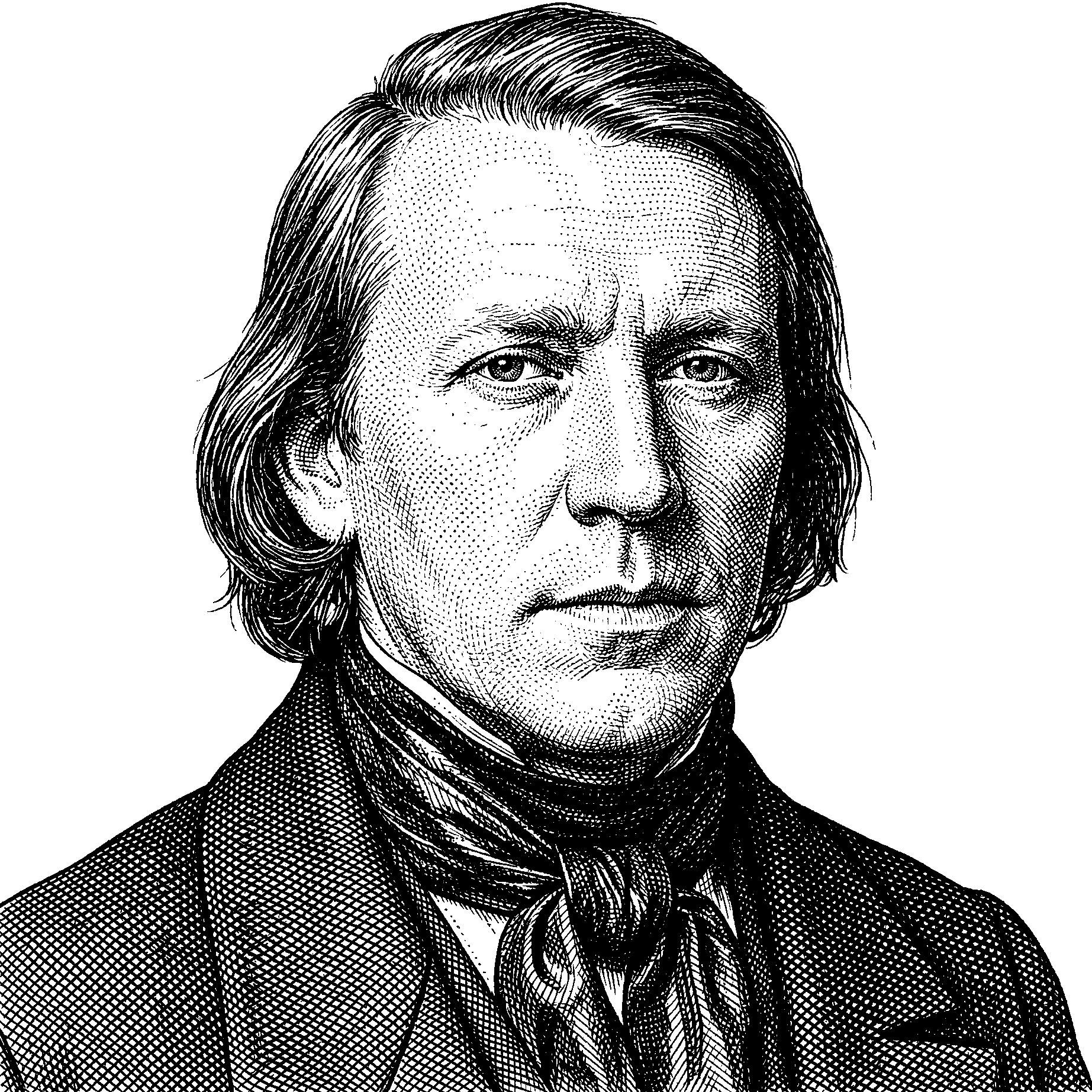
William James on Demythologization
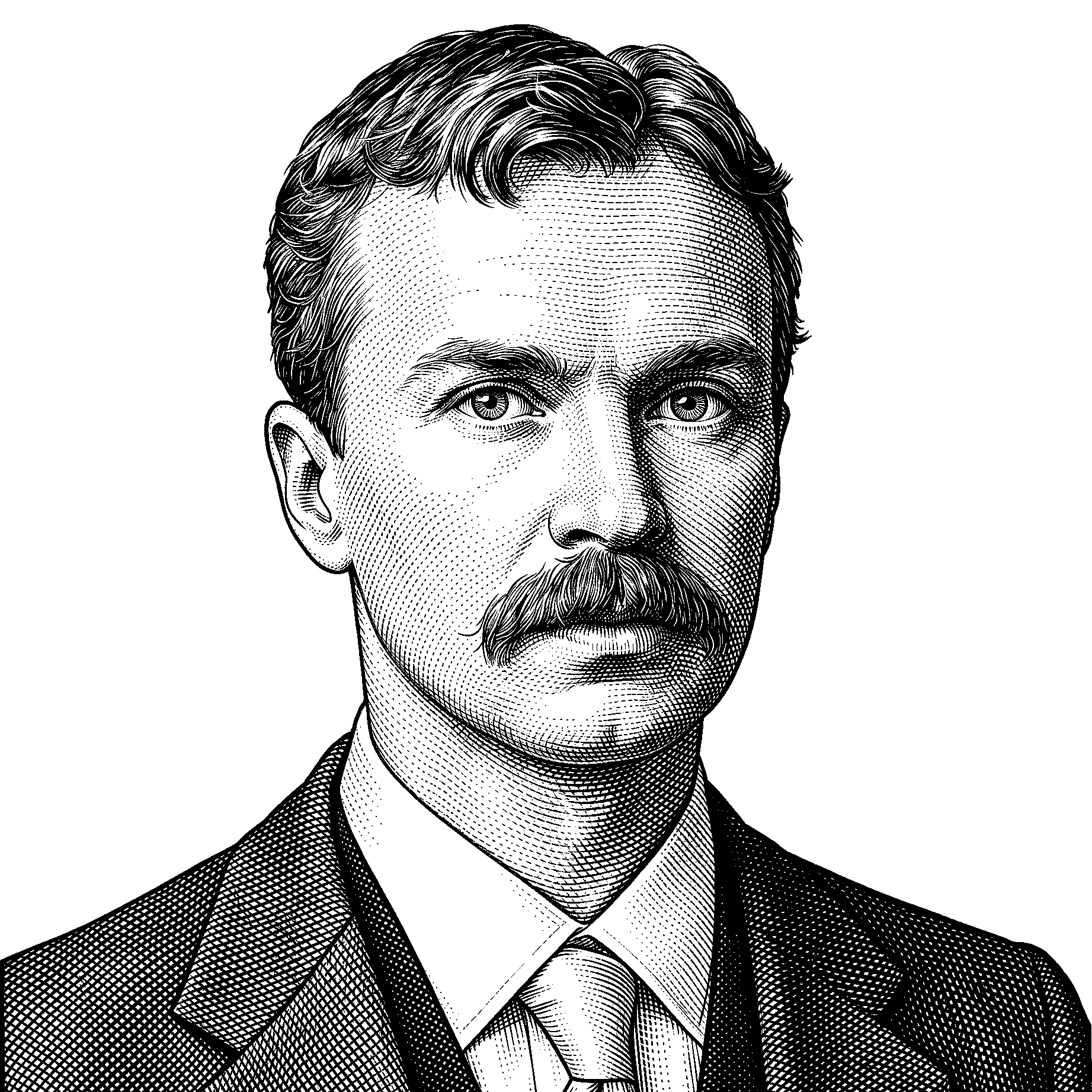
William James

William James

Nothing is more striking than the secular alteration that goes on in the moral and religious tone of men, as their insight into nature and their social arrangements progressively develop. After an interval of a few generations the mental climate proves unfavorable to notions of the deity which at an earlier date were perfectly satisfactory: the older gods have fallen below the common secular level, and can no longer be believed in.

“Lectures XIV and XV: The Value of Saintliness,” The Varieties of Religious Experience: A Study in Human Nature, William James, New York: Longmans, Green, and Co., 1902
Related Quotes

Arthur EddingtonArthur Eddington

We have found a strange footprint on the shores of the unknown. We have devised profound theories, one after another, to account for its origins. At last, we have succeeded in reconstructing the creature that made this footprint. And lo! It is our own.

Helen KellerHelen Keller

I long to accomplish a great and noble task; but it is my chief duty and joy to accomplish humble tasks as though they were great and noble. . . The world is moved along, not only by the mighty shoves of its heroes, but also by the aggregate of the tiny pushes of each honest worker.

Brigham YoungBrigham Young

My religion is natural philosophy. You never heard me preach a doctrine but what has a natural system to it, and, when understood, is as easy to comprehend as that two and two equal four. All the revelations of the Lord Almighty to the children of men, and all revealed doctrines of salvation are upon natural principles, upon natural philosophy.

More from William James

The capacity of the strenuous mood lies so deep down among our natural human possibilities that even if there were no metaphysical or traditional grounds for believing in a God, men would postulate one simply as a pretext for living hard, and getting out of the game of existence its keenest possibilities of zest. Our attitude towards concrete evils is entirely different in a world where we believe there are none but finite demanders, from what it is in one where we joyously face tragedy for an infinite demanders’ sake. Every sort of energy and endurance, of courage and capacity for handling life’s evils, is set free in those who have religious faith. For this reason the strenuous type of character will on the battle-field of human history always outwear the easy-going type, and religion will drive irreligion to the wall.

…deadness and liveness in an hypothesis are not intrinsic properties, but relations to the individual thinker.

Suppose that the world’s author put the case to you before creation, saying: “I am going to make a world not certain to be saved, a world the perfection of which shall be conditional merely, the condition being that each several agent does its own ‘level best.’ I offer you the chance of taking part in such a world. Its safety, you see, is unwarranted. It is a real adventure, with real danger, yet it may win through. It is a social scheme of co-operative work genuinely to be done. Will you join the procession? Will you trust yourself and trust the other agents enough to face the risk?”

The capacity of the strenuous mood lies so deep down among our natural human possibilities that even if there were no metaphysical or traditional grounds for believing in a God, men would postulate one simply as a pretext for living hard, and getting out of the game of existence its keenest possibilities of zest.