William James on Faith
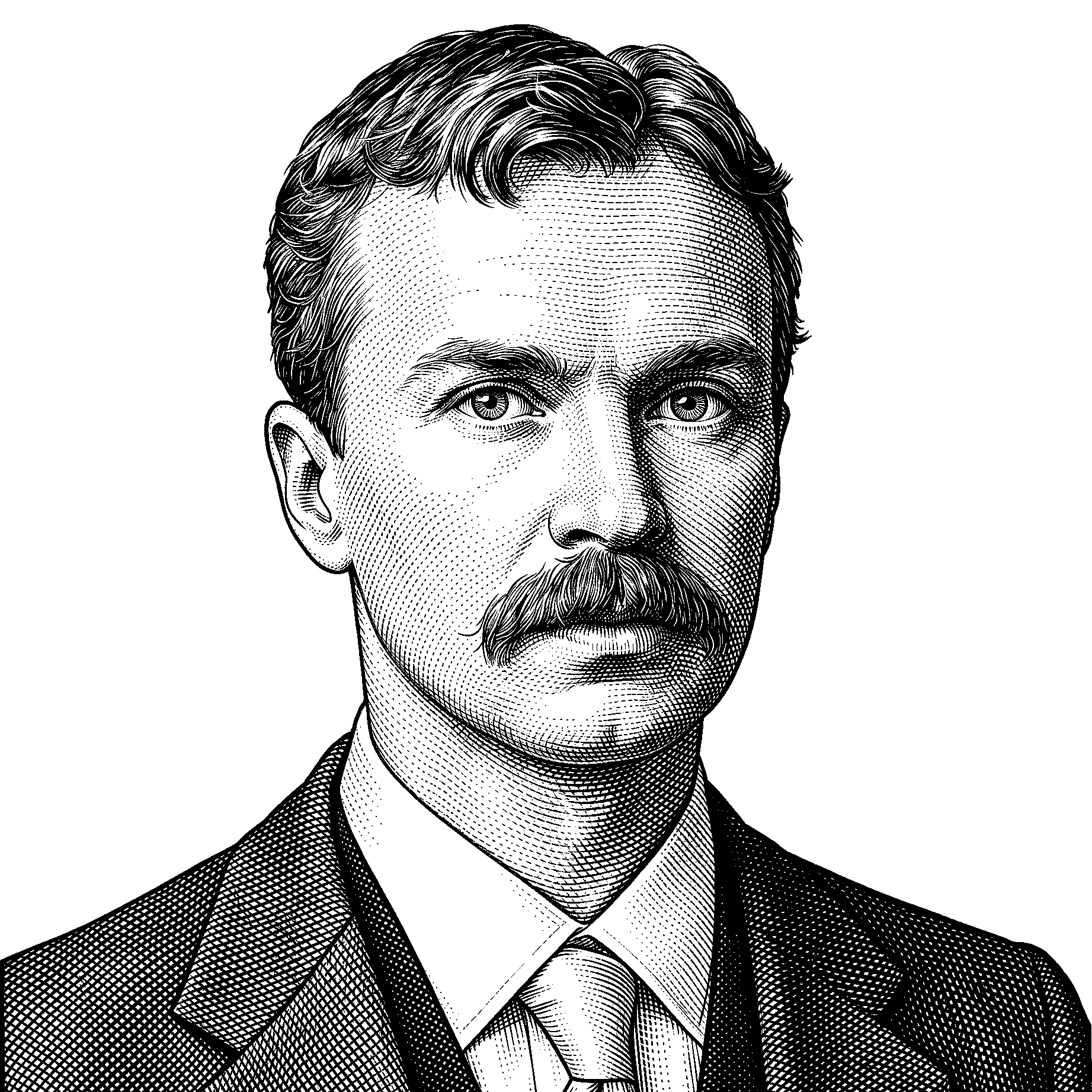
William James

William James

Suppose that the world’s author put the case to you before creation, saying: “I am going to make a world not certain to be saved, a world the perfection of which shall be conditional merely, the condition being that each several agent does its own ‘level best.’ I offer you the chance of taking part in such a world. Its safety, you see, is unwarranted. It is a real adventure, with real danger, yet it may win through. It is a social scheme of co-operative work genuinely to be done. Will you join the procession? Will you trust yourself and trust the other agents enough to face the risk?”

Pragmatism: A New Name for Some Old Ways of Thinking, New York: Longmans, Green, and Co., 1907
Related Quotes

IrenaeusIrenaeus

How, then, shall he become a God, who has not as yet been made a man? Or how can he be perfect who was but lately created? How, again, can he be immortal, who in his mortal nature did not obey his maker? For it must be that thou, at the outset, shouldest hold the rank of a man, and then afterwards partake of the glory of God.

IrenaeusIrenaeus

Do we cast blame on him [God] because we were not made gods from the beginning, but were at first created merely as men, and then later as gods? Although God has adopted this course out of his pure benevolence, that no one may charge him with discrimination or stinginess, he declares, “I have said, ye are gods; and all of you are sons of the Most High.” . . .

Clement of AlexandriaClement of Alexandria

The man of God is consequently divine and is already holy. He is God-bearing and God-borne.

More from William James

The capacity of the strenuous mood lies so deep down among our natural human possibilities that even if there were no metaphysical or traditional grounds for believing in a God, men would postulate one simply as a pretext for living hard, and getting out of the game of existence its keenest possibilities of zest.

The capacity of the strenuous mood lies so deep down among our natural human possibilities that even if there were no metaphysical or traditional grounds for believing in a God, men would postulate one simply as a pretext for living hard, and getting out of the game of existence its keenest possibilities of zest. Our attitude towards concrete evils is entirely different in a world where we believe there are none but finite demanders, from what it is in one where we joyously face tragedy for an infinite demanders’ sake. Every sort of energy and endurance, of courage and capacity for handling life’s evils, is set free in those who have religious faith. For this reason the strenuous type of character will on the battle-field of human history always outwear the easy-going type, and religion will drive irreligion to the wall.