William James on Human Potential
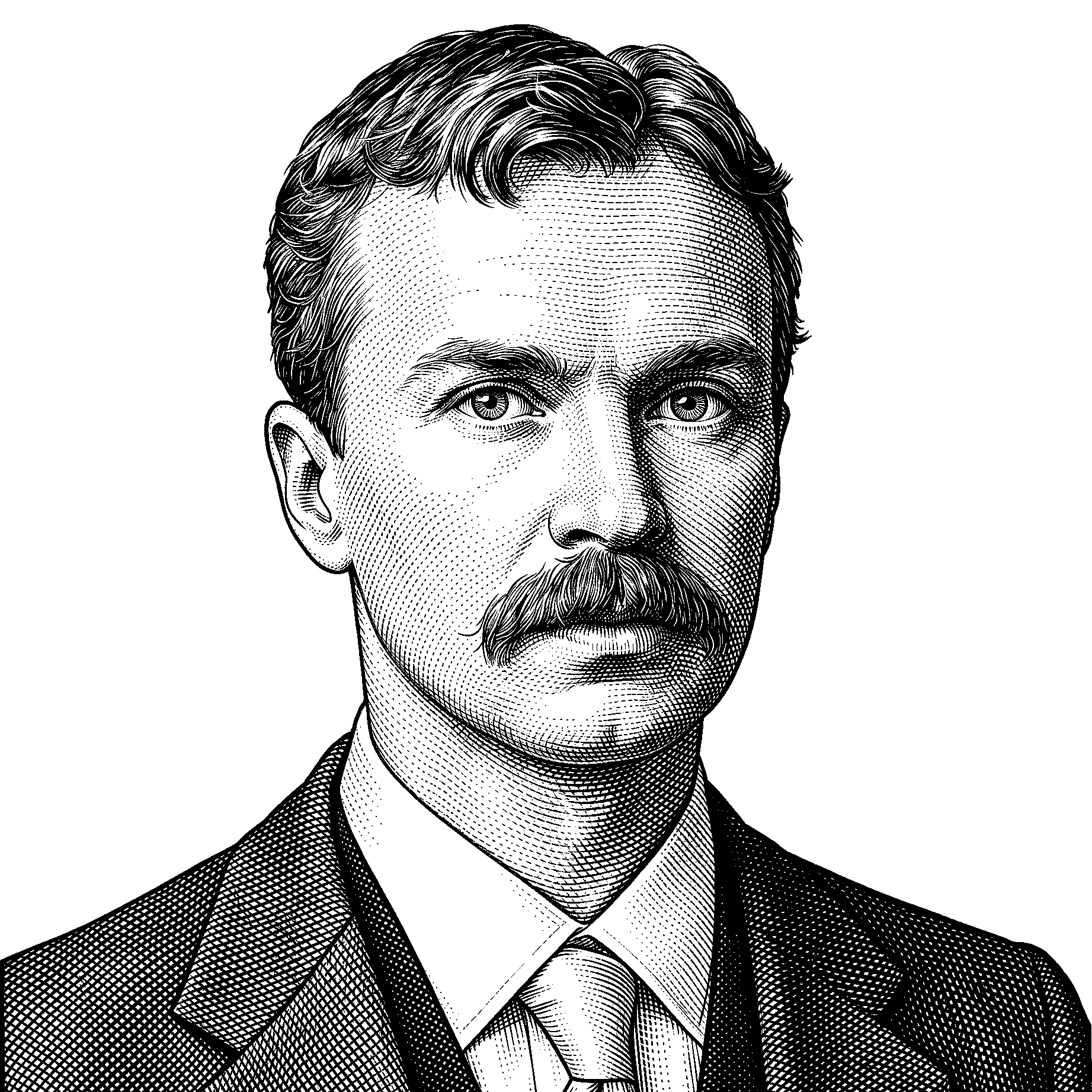
William James

William James

The capacity of the strenuous mood lies so deep down among our natural human possibilities that even if there were no metaphysical or traditional grounds for believing in a God, men would postulate one simply as a pretext for living hard, and getting out of the game of existence its keenest possibilities of zest.

“William James on the Strenuous Mood,” n/a
Related Quotes

Sterling M. McMurrinSterling M. McMurrin

The primary task of theology is the reconciliation of the revelation to the culture, to make what is taken on faith as the word of God meaningful in light of accepted science and philosophy.

C.S. LewisC.S. Lewis

It is a serious thing to live in a society of possible gods and goddesses, to remember that the dullest most uninteresting person you can talk to may one day be a creature which, if you saw it now, you would be strongly tempted to worship, or else a horror and a corruption such as you now meet, if at all, only in a nightmare. All day long we are, in some degree helping each other to one or the other of these destinations.

Lorenzo SnowLorenzo Snow

These children are now at play, making mud worlds. The time will come when some of them, through their faithfulness to the gospel, will progress and develop in knowledge, intelligence and power, in future eternities, until they shall ... rule as gods.

More from William James

The capacity of the strenuous mood lies so deep down among our natural human possibilities that even if there were no metaphysical or traditional grounds for believing in a God, men would postulate one simply as a pretext for living hard, and getting out of the game of existence its keenest possibilities of zest. Our attitude towards concrete evils is entirely different in a world where we believe there are none but finite demanders, from what it is in one where we joyously face tragedy for an infinite demanders’ sake. Every sort of energy and endurance, of courage and capacity for handling life’s evils, is set free in those who have religious faith. For this reason the strenuous type of character will on the battle-field of human history always outwear the easy-going type, and religion will drive irreligion to the wall.

Suppose that the world’s author put the case to you before creation, saying: “I am going to make a world not certain to be saved, a world the perfection of which shall be conditional merely, the condition being that each several agent does its own ‘level best.’ I offer you the chance of taking part in such a world. Its safety, you see, is unwarranted. It is a real adventure, with real danger, yet it may win through. It is a social scheme of co-operative work genuinely to be done. Will you join the procession? Will you trust yourself and trust the other agents enough to face the risk?”