Resources

  • Articles
  • Authors
  • Quotations
  • Search
  • Tags
  • Topical Guide
  • Videos
HomeResourcesQuotations

John A. Widtsoe on Participatory Atonement
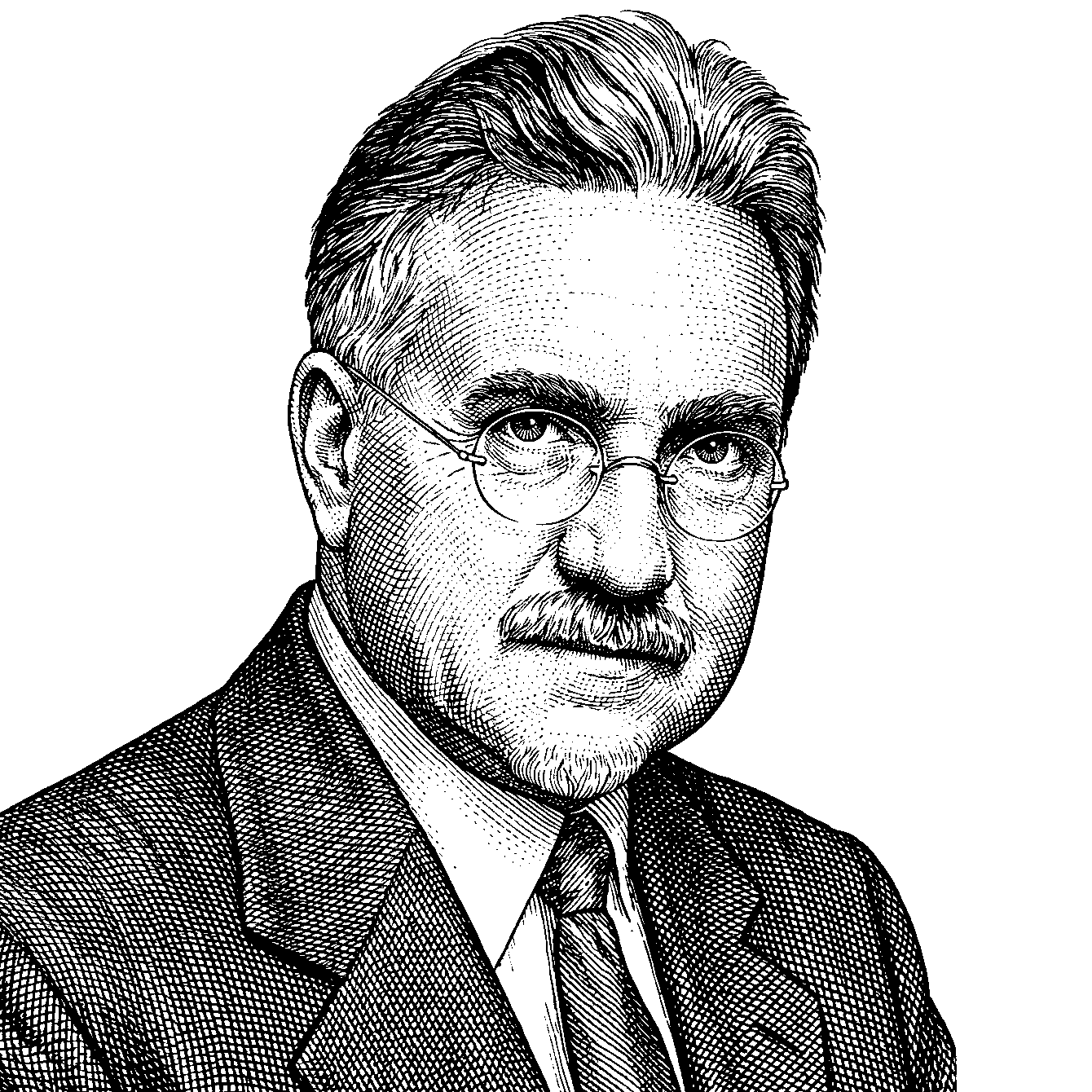
John A. Widtsoe

John A. Widtsoe

imitating christatonementmormon authoritiesparticipatory atonement

In our preexistent state, in the day of the great council, we made a certain agreement with the Almighty. The Lord proposed a plan, conceived by him. We accepted it. Since the plan is intended for all men, we become parties to the salvation of every person under that plan. We agreed, right then and there, to be not only saviors for ourselves but measurably, saviors for the whole human family. We went into a partnership with the Lord.

History of the Church, pages 59-61, B.H. Roberts (editor), Salt Lake City, Utah: Deseret Book, 1980


Related Quotes

Dieter F. UchtdorfDieter F. Uchtdorf

The Lord’s way is not to sit at the side of the stream and wait for the water to pass before we cross. It is to come together, roll up our sleeves, go to work, and build a bridge or a boat to cross the waters of our challenges.

Thomas S. MonsonThomas S. Monson

Great service is given when we perform vicarious ordinances for those who have gone beyond the veil. In many cases we do not know those for whom we perform the work. We expect no thanks, nor do we have the assurance that they will accept that which we offer. However, we serve, and in that process we attain that which comes of no other effort: we literally become saviors on Mount Zion.

More from John A. Widtsoe

A miracle is an occurrence which, first, cannot be repeated at will by man, or, second, is not understood in its cause and effect relationship. History is filled with such miracles. What is more, the whole story of man’s progress is the conversion of “miracles” into controlled and understood events. The airplane and radio would have been miracles, yesterday.

We may go further. Every person born into the earth has claim upon the assistance of the Spirit of God. That is a species of revelation. Consequently, all good achievements of man, in science, literature, or art, are the product of revelation. The knowledge and wisdom of earth have so come.

The Church supports and welcomes the growth of science . . . The religion of the Latter-day Saints is not hostile to any truth, nor to scientific search for truth.

Every person must decide for himself, on the basis of the evidence produced, which of these three opinions as to the age of the earth, before Adam, seems most reasonable to him, whether (1) six days, or (2) six thousand years, or (3) many millions of years. Clearly it does not matter to one’s daily welfare or ultimate salvation which view he adopts, except that every Latter-day saint must seek and cherish truth above all else.

Truth is truth forever. Scientific truth cannot be theological lie. To the sane mind, theology and philosophy must harmonize. They have the common ground of truth on which to meet.