Gordon B. Hinckley on Theosis

Gordon B. Hinckley

Gordon B. Hinckley

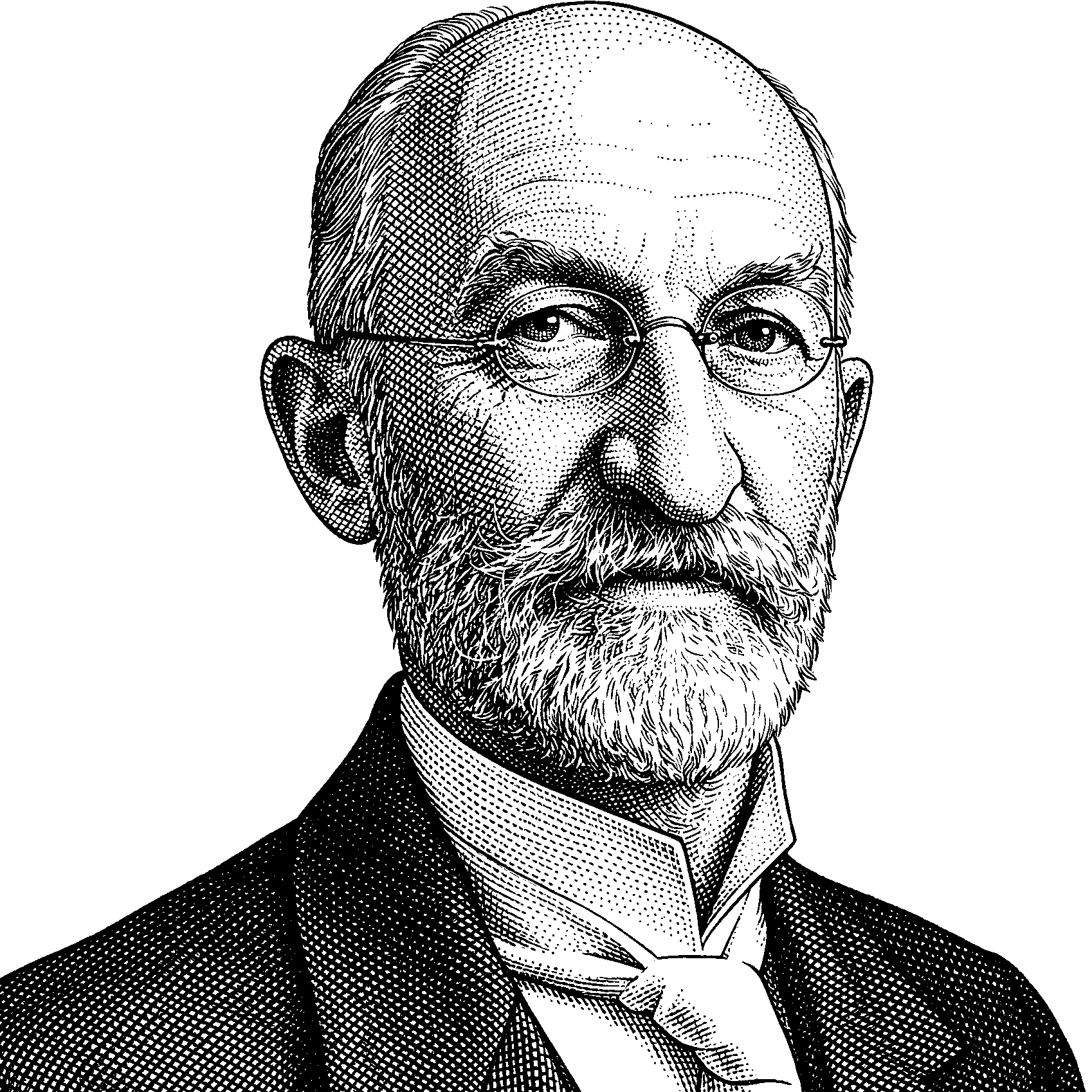
The element of selfishness crowds in upon us constantly. We need to overcome it, and there is no better way than to go to the house of the Lord and there serve in a vicarious relationship in behalf of those who are beyond the veil of death. What a remarkable thing this is. In most cases, we do not know those for whom we work. We expect no thanks. We have no assurance that they will accept that which we offer. But we go, and in that process we attain to a state that comes of no other effort. We literally become saviors on Mount Zion. What does this mean? Just as our Redeemer gave His life as a vicarious sacrifice for all men, and in so doing became our Savior, even so we, in a small measure, when we engage in proxy work in the temple, become as saviors to those on the other side who have no means of advancing unless something is done in their behalf by those on earth.

“Closing Remarks,” General Conference, 2004.10

Related Quotes

Heber J. GrantHeber J. Grant

When fasting, members of the Church are advised to abstain from two meals each Fast Day . . . No direct instruction is given in the Doctrine and Covenants regarding abstaining from water while fasting . . . The spirit of fasting is the main thing to encourage. Too much stress should not be laid on technical details, but the self denial of food, striving for spiritual strength and donating for the benefit of the poor should constantly be in mind.

Hugh NibleyHugh Nibley

When we conclude to make a Zion,” said Brigham Young, ‘we will make it, and this work commences in the heart of each person.” Zion can come only to a place that is completely ready for it, which is to say Zion must already be there. When Zion descends to earth, it must be met by a Zion that is already here: “And they shall see us; and we will fall upon their necks, and they shall fall upon our necks; . . .

Elicia A. GristElicia A. Grist

When we take into consideration the many opportunities and various ways of usefulness, and the amount of good that may be accomplished by us who are engaged in so great a cause, some of you may feel that it is not our prerogative to interfere in the least, or to take one step towards building up the kingdom of God. But I feel that it is a mistaken idea to suppose that we cannot perform acts that would ennoble our character and position, when we are so nearly allied to the brethren of the priesthood, and they are required to use strenuous efforts to advance the cause of God.

More from Gordon B. Hinckley

But in a larger sense this has been the best of all centuries. In the long history of the earth there has been nothing like it. The life expectancy of man has been extended by more than 25 years. Think of it. It is a miracle. The fruits of science have been manifest everywhere. By and large, we live longer, we live better. This is an age of greater understanding and knowledge. We live in a world of great diversity.

Few American theologies are more complex than that of the Church of Jesus Christ of Latter-day Saints, but its flagship Brigham Young University teaches off-the-shelf, industry-standard evolution. That has been the case since 1931, when the church officially said: “Leave biology, archaeology, and anthropology, no one of which has to do with the salvation of the souls of mankind, to scientific research.” . . . What the church requires is only belief “that Adam was the first man of what we would call the human race,” says Gordon Hinckley, the church’s living prophet. Scientists can speculate on the rest, he says, recalling his own study of anthropology and geology: “Studied all about it. Didn’t worry me then. Doesn’t worry me now.”

Joseph F. Smith was the son of Hyrum Smith, who was the brother of the Prophet Joseph and was martyred with him in Carthage. Joseph F. was born at Far West, Missouri, on November 13, 1838. He came out of Missouri as an infant. As a lad not yet six years of age, he heard a knock on the window of his mother’s home in Nauvoo.

David Ransom: As the world leader of the the Church, how are you in touch with God? Can you explain that for me?