Religion Fiction Inspires Real Religion
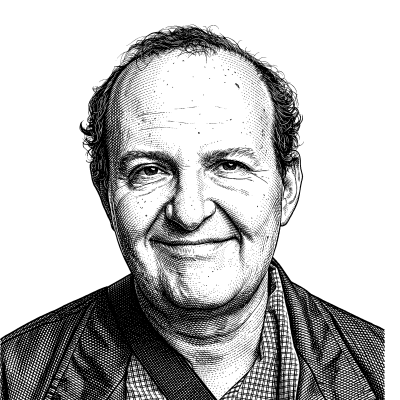
Giulio Prisco is a writer, technologist, futurist, and transhumanist. He is based in Budapest and is a frequent speaker and writer on topics related to science, technology, and the future. ¶ A former manager in European Science and Technology Centers, Prisco’s interests span a wide range of subjects, including information technology, emerging technologies, virtual worlds, space exploration, and future studies. He is especially interested in the convergence of science, technology, and spirituality—a theme he explores through his work with the Turing Church of Transcendent Engineering. ¶ Prisco is deeply interested in concepts like mind uploading, cryonics, and brain preservation, and how these technologies intersect with philosophy and religion. He is an advocate for the potential of technology to transcend human limitations and explore spiritual possibilities, dedicating his work to advancing these ideas within the broader transhumanist community.
Science fiction and real science are in a symbiotic relation with powerful feedback loops: science fiction is inspired by science, and in turn it inspires new scientific and technical developments. At times, new developments are directly inspired by the imagination of science fiction writers—for example the fictional technologies described by William Gibson, Neal Stephenson, and more recently Ernest Cline, shaped and continue to drive real developments in consumer electronics and virtual reality1, a recent example being the Oculus Rift. More often, science fiction ignites with overpowering interest in science and technology the flexible and imaginative minds of the young, who then become the next generation of scientists and engineers. This has a huge social impact: as Golden Age “pulp” science fiction inspired those who developed the space program and the Internet2, the best of today’s science fiction will inspire the creators of tomorrow’s world.
Fiction becomes serious when imagined worlds start teaching this one how to change.