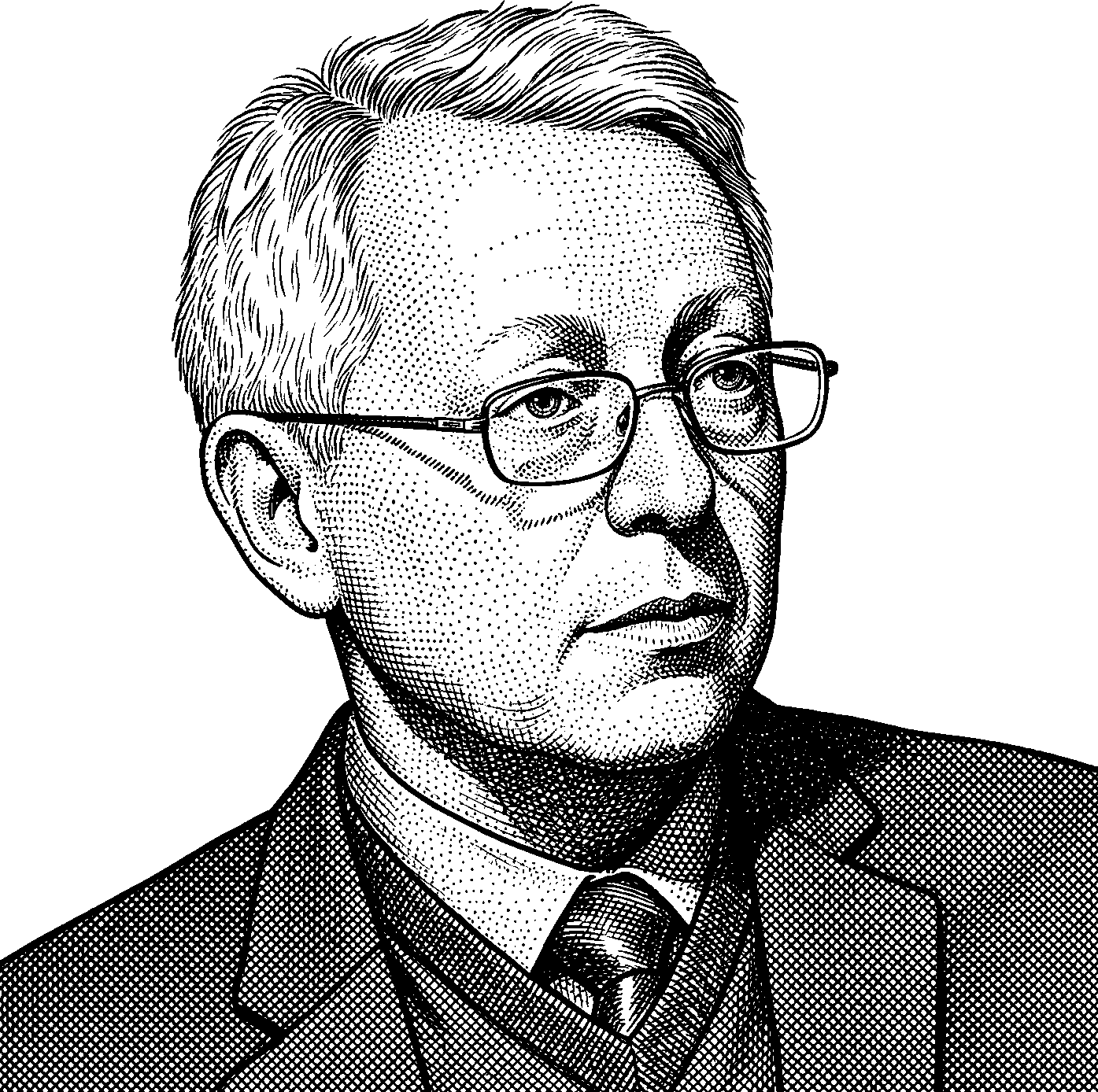
Terryl Givens

Portrait of Terryl Givens

Terryl Givens is a distinguished scholar of Mormon culture and is perhaps the preeminent explicator of Mormonism’s relationship to American and global culture. He has authored an impressive number of books during his career, with more forthcoming. His work is noted for its originality of insight, native eloquence, and command of world literature, making his speeches and writings rhetorical masterpieces. His publications have significantly influenced Mormon thought, particularly the concepts of dialogic revelation and the understanding of Mormon doctrine as a series of paradoxes.

Givens is widely known for his works, including Viper on the Hearth, a study of Mormonism in American culture; By the Hand of Mormon, which examines the reception and understanding of the Book of Mormon; and People of Paradox, a book which suggests a new way of looking at Mormon thought. His forthcoming book on the Book of Mormon with Oxford University Press promises to offer fresh insights into this foundational text.

Givens’s work explores the intersections of Mormon cosmology, scientific speculation, and philosophical inquiry. He delivered the keynote address “No Small and Cramped Eternities” at an MTA (Mormon Transhumanist Association) conference, reflecting his understanding of the affinities between Mormonism and transhumanist thought. His work contributes to a broader understanding of Mormonism’s place in Western culture, from the Greeks to the present day, and engages readers to re-evaluate familiar concepts.
Videos by Terryl Givens

Fear and Trembling at the Tower of Babel
21:34

Terryl Givens

Fear and Trembling at the Tower of Babel

Terryl Givens traces the intertwined history of theosis (becoming like God) and premortal existence from Plato through the early Church Fathers, showing how Tertullian and others rejected preexistence precisely because it implied equality with God—a blurring of the creature-creator divide. He argues that contemporary anxiety about theosis rests on mistaken assumptions about divine power, suggesting instead that God's nature, as revealed in Joseph Smith's vision of Enoch, is defined by infinite empathy and suffering rather than sovereignty. This reconception, Givens proposes, aligns with recent theological shifts toward a "suffering God" and opens space for a theosis grounded not in dominion but in compassion.

No Small and Cramped Eternities
52:49

Terryl Givens

No Small and Cramped Eternities

Terryl Givens explores how Mormon theology, particularly as developed by Parley P. Pratt and articulated in Joseph Smith’s King Follett discourse, offers a “transcendent humanism” that collapses the traditional divide between the material and the spiritual. By naturalizing deity and placing God within a universe governed by comprehensible laws, this cosmology positions human beings not merely as creatures but as creators with divine potential. Givens argues this framework—with its vision of an unencumbered God who delights in human advancement rather than jealously guarding divine prerogatives—may offer unexpected common ground with scientific naturalists and provide a compelling alternative to the materialist-supernaturalist impasse that characterizes contemporary debates about religion.