Bless/Blessing
Early Christian communities viewed priesthood ordinances as tangible evidence of divine intervention in the material world, directly linking heavenly power with human action.
When we speak of a blessing in Latter-day Saint culture, we usually picture hands placed on a head and a drop of consecrated oil. We treat this as a physical performance meant to produce real, physiological, and spiritual changes. The ancient words for blessing—the Hebrew barak and the Greek eulogeo—describe an active transfer of capacity and life. A blessing, therefore, empowers someone to grow, heal, and reach their full potential. Scholars of ancient scripture note that early communities viewed priesthood ordinances as direct, tangible interventions in the physical world.
Crucially, "there is a law, irrevocably decreed in heaven before the foundations of this world, upon which all blessings are predicated" (D&C 130:20-21). Even Malachi’s promise of a blessing poured out until there is no room to receive it follows a specific act of faith (Malachi 3:10). Blessings are predicated by law, and even miracles, marvelous as they appear, do not contravene eternal law.
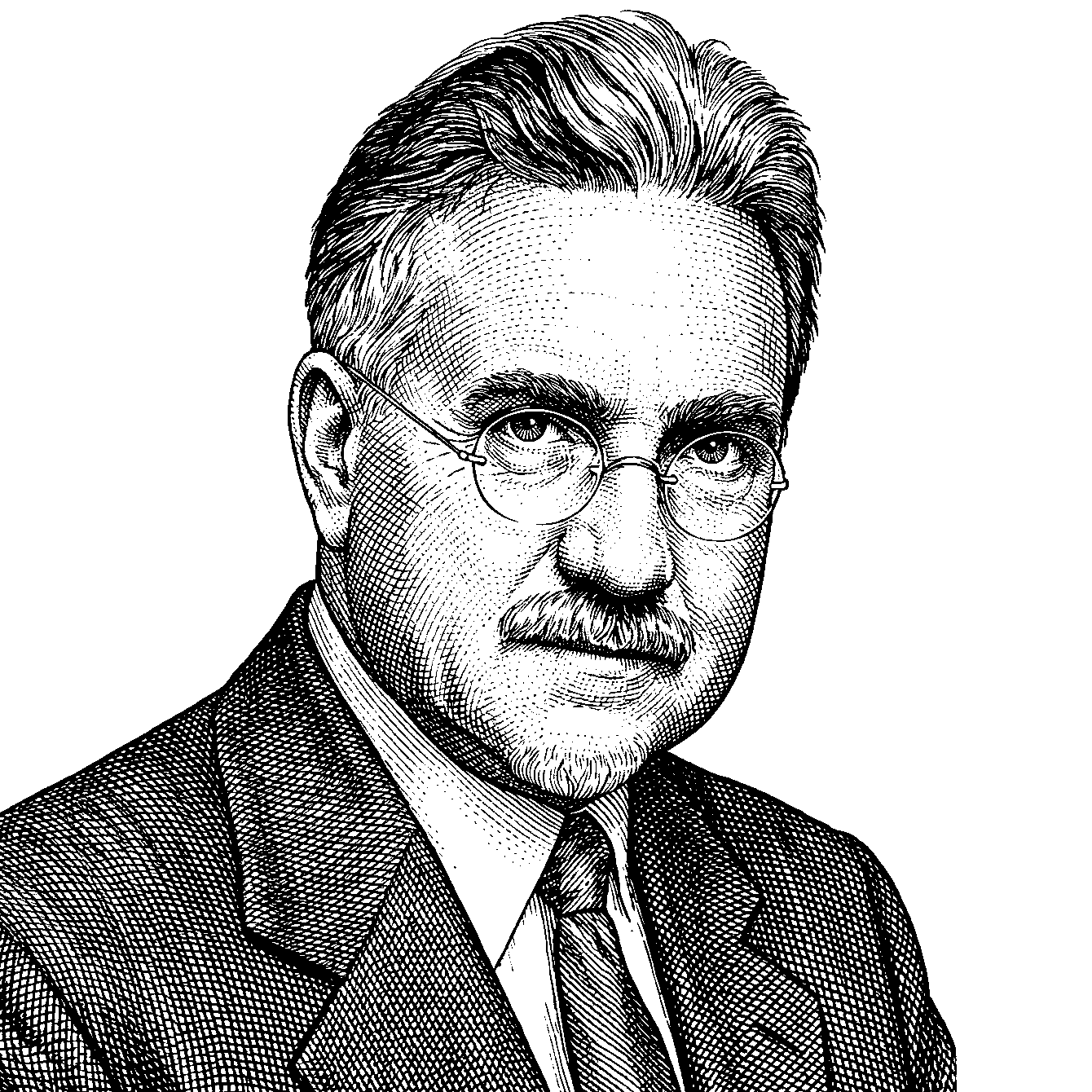
A miracle is an occurrence which, first, cannot be repeated at will by man, or, second, is not understood in its cause and effect relationship. History is filled with such miracles. What is more, the whole story of man’s progress is the conversion of “miracles” into controlled and understood events. The airplane and radio would have been miracles, yesterday.
Blessing as Forthtelling
Patriarchal blessings, priesthood blessings, and prophetic promises invite the question people have always asked about prophecy: is the future being forecast? When we treat a blessing as a rigid prediction, we accidentally reduce our agency to a passive ride on a pre-determined track, robbing ourselves of the opportunity to pursue the future we seek. Prophecy works better as forthtelling, an expression of envisioned possibility, conditional on trust and action, spoken to provoke pursuit of the good or avoidance of the bad. Jonah announces Nineveh’s destruction without qualification, Nineveh repents, God relents, and Jonah resents the mercy (Jonah 3-4). That prophecy succeeded by failing as a prediction. Jonah gave the city a dark blueprint of their current trajectory, and by acting on that information, the people altered their reality entirely.
In both theology and technology, articulating the future exists to alter behavior in the present. When we model existential risks, map out the necessary steps to cure a genetic disease, or forecast the trajectory of artificial intelligence, we are forthtelling. We define the parameters of disaster or glory precisely so we can steer the ship.
Blessings behave the exact same way. Words spoken over a sick child, a departing missionary, or a young person receiving a patriarchal blessing are partly self-fulfilling, which is neither magic nor manipulation so long as the mechanism is stated openly. Such words declare a range of possible trajectories, each one entirely dependent on the faith and diligence of the recipient.
Priesthood, Agency, and the Tools We Build
As Latter-day Saints, we embrace a participatory eschatology. We are commanded to actively build Zion. Under this framework, priesthood expands to include the ethical, intentional use of human knowledge to relieve suffering. Lincoln Cannon discusses the concept of a "technological priesthood" within the New God Argument, suggesting that human innovation serves as a divine mechanism for delivering blessings. A targeted medical intervention, a drought-resistant crop, and a traditional priesthood blessing operate as parallel channels of the exact same divine command. We use the tools we create to heal and uplift our neighbors.
Christ dedicated his mortal ministry to making individuals whole, treating the healing of the physical body and the restoration of the spirit as a single, unified work. The scriptural concept of perfection describes this exact state of completion. Today, modern biotechnology gives us the means to scale the physical dimensions of that healing work across the globe. Today, modern biotechnology gives us the means to scale that healing work across the globe. Advancements in biomedicine such as CRISPR gene editing, precision medicine, and longevity therapeutics materially fulfill the divine injunction to heal the sick and extend human life. On his blog, From the Depths, Carl Youngblood argues that technologists and software engineers exercise a moral duty when they apply their skills as a practice of grace. Developing a diagnostic algorithm or engineering a new gene therapy functions directly as a modern healing ordinance.

The use of medical science is not at odds with our prayers of faith and our reliance on priesthood blessings. When a person requested a priesthood blessing, Brigham Young would ask, “Have you used any remedies?” To those who said no because “we wish the Elders to lay hands upon us, and we have faith that we shall be healed,” President Young replied: “That is very inconsistent according to my faith. If we are sick, and ask the Lord to heal us, and to do all for us that is necessary to be done, according to my understanding of the Gospel of salvation, I might as well ask the Lord to cause my wheat and corn to grow, without my plowing the ground and casting in the seed. It appears consistent to me to apply every remedy that comes within the range of my knowledge, and then to ask my Father in Heaven … to sanctify that application to the healing of my body.”
The Abrahamic Covenant and Global Flourishing
The Abrahamic covenant mandates that "in thy seed shall all the kindreds of the earth be blessed." This requires systemic altruism and the equitable distribution of life-saving infrastructure. Contemporary Latter-day Saint thinkers frequently explore how relational theology and community resilience apply to our daily discipleship. These principles map directly to the transhumanist drive to establish Zion. Zion is a real, physical society where engineered abundance permanently eliminates extreme poverty, preventable disease, and artificial scarcity. We bless the world by constructing the systems that sustain it.
Consecration and the Ethics of Innovation
Tools designed to bless can quickly oppress if they are driven by unmoored ego or unchecked capitalistic extraction. The law of consecration provides the ethical framework necessary to govern accelerating technological power. Consecrated innovation demands that our technology remains subject to charity, relational accountability, and the explicit goal of universal uplift. Philosophical perspectives on cosmic evolution identify humanity as planetary stewards. Navigating existential risks—like artificial general intelligence and synthetic biology—will severely test our capacity to administer cosmic blessings.