Thomas S. Monson on Theosis

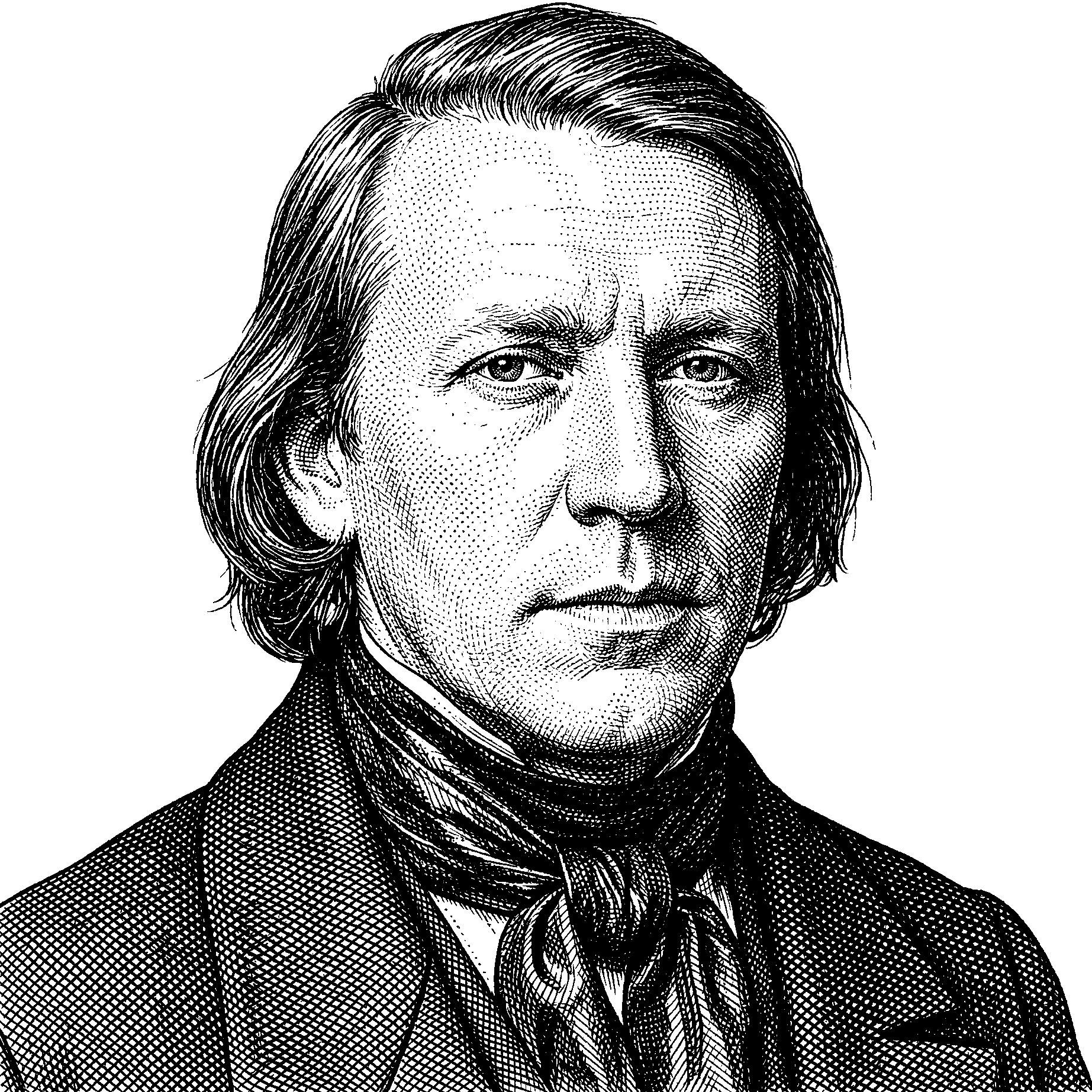
Thomas S. Monson

Thomas S. Monson

Great service is given when we perform vicarious ordinances for those who have gone beyond the veil. In many cases we do not know those for whom we perform the work. We expect no thanks, nor do we have the assurance that they will accept that which we offer. However, we serve, and in that process we attain that which comes of no other effort: we literally become saviors on Mount Zion. As our Savior gave His life as a vicarious sacrifice for us, so we, in some small measure, do the same when we perform proxy work in the temple for those who have no means of moving forward unless something is done for them by those of us here on the earth.

“Until We Meet Again,” General Conference, 2009.04
Related Quotes

Gordon B. HinckleyGordon B. Hinckley

The element of selfishness crowds in upon us constantly. We need to overcome it, and there is no better way than to go to the house of the Lord and there serve in a vicarious relationship in behalf of those who are beyond the veil of death. What a remarkable thing this is. In most cases, we do not know those for whom we work. We expect no thanks. We have no assurance that they will accept that which we offer.

Brigham YoungBrigham Young

Now a few words to the brethren and sisters upon the doctrine and ordinances of the house of God. All who have lived on the earth according to the best light they had, and would have received the fullness of the Gospel had it been preached to them, are worthy of a glorious resurrection, and will attain to this by being administered for in the flesh by those who have the authority.

Orson PrattOrson Pratt

The study of science is the study of something eternal. If we study astronomy, we study the works of God. If we study chemistry, geology, optics, or any other branch of science, every new truth we come to the understanding of is eternal; it is a part of the great system of universal truth. It is truth that exists throughout universal nature; and God is the dispenser of all truth—scientific, religious, and political.