Emanuel Swedenborg on Pragmatism
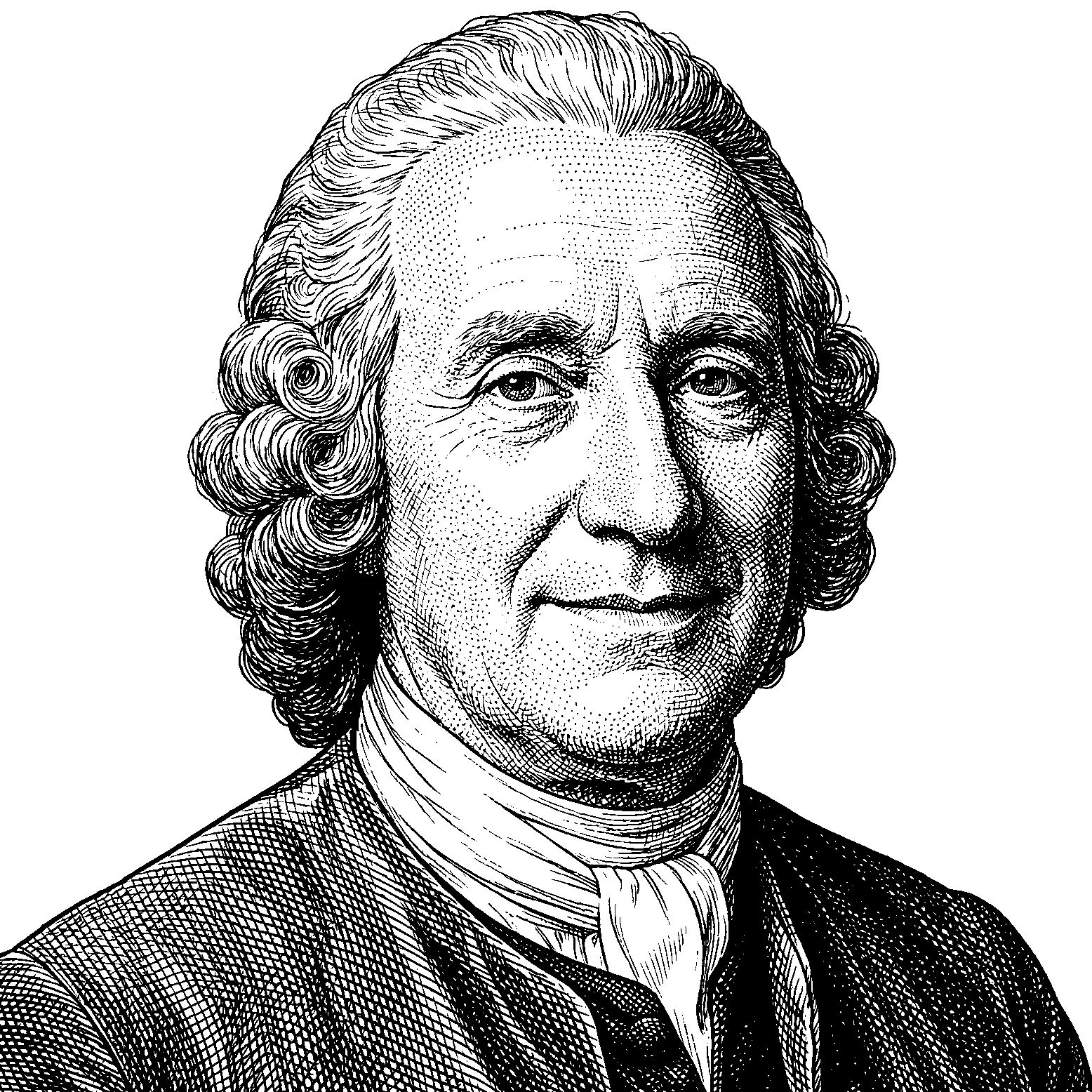
Emanuel Swedenborg

Emanuel Swedenborg

Some people believe that it is hard to lead a heaven-bound life that is called “spiritual” because they have heard that we need to renounce the world and give up the desires attributed to the body and the flesh and “live spiritually.” All they understand by this is spurning worldly interests, especially concerns for money and prestige, going around in constant devout meditation about God, salvation, and eternal life, devoting their lives to prayer, and reading the Word and religious literature. They think this is renouncing the world and living for the spirit and not for the flesh. However, the actual case is different, as I have learned from an abundance of experience and conversation with angels. In fact, people who renounce the world and live for the spirit in this fashion take on a mournful life for themselves, a life that is not open to heavenly joy, since our life does remain with us [after death]. No, if we would accept heaven’s life, we need by all means to live in the world and to participate in its duties and affairs. In this way, we accept a spiritual life by means of our moral and civic life; and there is no other way a spiritual life can be formed within us, no other way our spirits can be prepared for heaven. This is because living an inner life and not an outer life at the same time is like living in a house that has no foundation, that gradually either settles or develops gaping cracks or totters until it collapses.
Heaven and Hell, page §528, West Chester, PA: Swedenborg Foundation, 2000

Related Quotes

Nikolay FyodorovNikolay Fyodorov

There is only one doctrine which demands not separation but reunification, which sets no artificial aims but one common task for all—the doctrine of kinship… Only this doctrine can provide a solution to the problem of the individual and the masses. Union does not absorb but exalts each individual, while the differences between individuals strengthen unity, which consists in (1) the realization by every person that he is a son, grandson, great-grandson or descendant, that is, a son of all the deceased fathers and not a vagrant in the crowd, devoid of kith and kin ; and (2) the recognition by each and everyone, together and not in disunity as in a mob, of one’s duty to the deceased fathers . . .

C.S. LewisC.S. Lewis

If anyone swear by Tash and keep their oath for the oath’s sake, it is by me that they have truly sworn, though they know it not, and it is I who reward them. And if anyone do a cruelty in my name, then, though they say the name Aslan, it is Tash whom they serve and by Tash their deed is accepted.

IrenaeusIrenaeus

Do we cast blame on him [God] because we were not made gods from the beginning, but were at first created merely as men, and then later as gods? Although God has adopted this course out of his pure benevolence, that no one may charge him with discrimination or stinginess, he declares, “I have said, ye are gods; and all of you are sons of the Most High.” . . .

More from Emanuel Swedenborg