Charles Dickens on Existential Risk
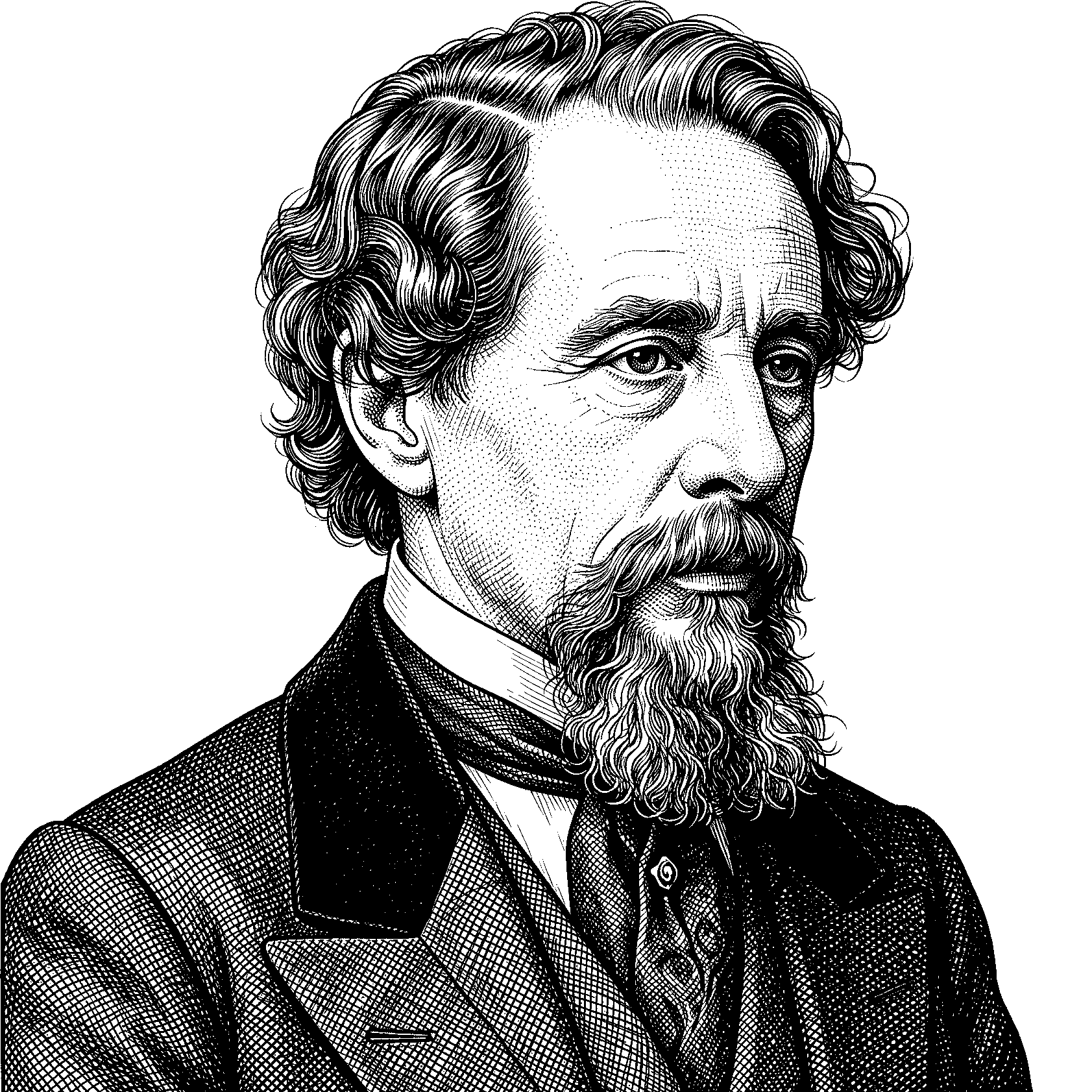
Charles Dickens
“Forgive me if I am not justified in what I ask,” said Scrooge, looking intently at the Spirit’s robe, “but I see something strange, and not belonging to yourself, protruding from your skirts. Is it a foot or a claw?”
“It might be a claw, for the flesh there is upon it,” was the Spirit’s sorrowful reply. “Look here.”
From the foldings of its robe, it brought two children; wretched, abject, frightful, hideous, miserable. They knelt down at its feet, and clung upon the outside of its garment.
“Oh, Man! look here. Look, look, down here!” exclaimed the Ghost.
They were a boy and girl. Yellow, meagre, ragged, scowling, wolfish; but prostrate, too, in their humility. Where graceful youth should have filled their features out, and touched them with its freshest tints, a stale and shrivelled hand, like that of age, had pinched, and twisted them, and pulled them into shreds. Where angels might have sat enthroned, devils lurked, and glared out menacing. No change, no degradation, no perversion of humanity, in any grade, through all the mysteries of wonderful creation, has monsters half so horrible and dread.
Scrooge started back, appalled. Having them shown to him in this way, he tried to say they were fine children, but the words choked themselves, rather than be parties to a lie of such enormous magnitude.
“Spirit! are they yours?” Scrooge could say no more.
“They are Man’s,” said the Spirit, looking down upon them. “And they cling to me, appealing from their fathers. This boy is Ignorance. This girl is Want. Beware them both, and all of their degree, but most of all beware this boy, for on his brow I see that written which is Doom, unless the writing be erased. Deny it!” cried the Spirit, stretching out its hand towards the city. “Slander those who tell it ye! Admit it for your factious purposes, and make it worse. And bide the end!”
“Have they no refuge or resource?” cried Scrooge.
“Are there no prisons?” said the Spirit, turning on him for the last time with his own words. “Are there no workhouses?”