Benjamin Franklin on Human Potential
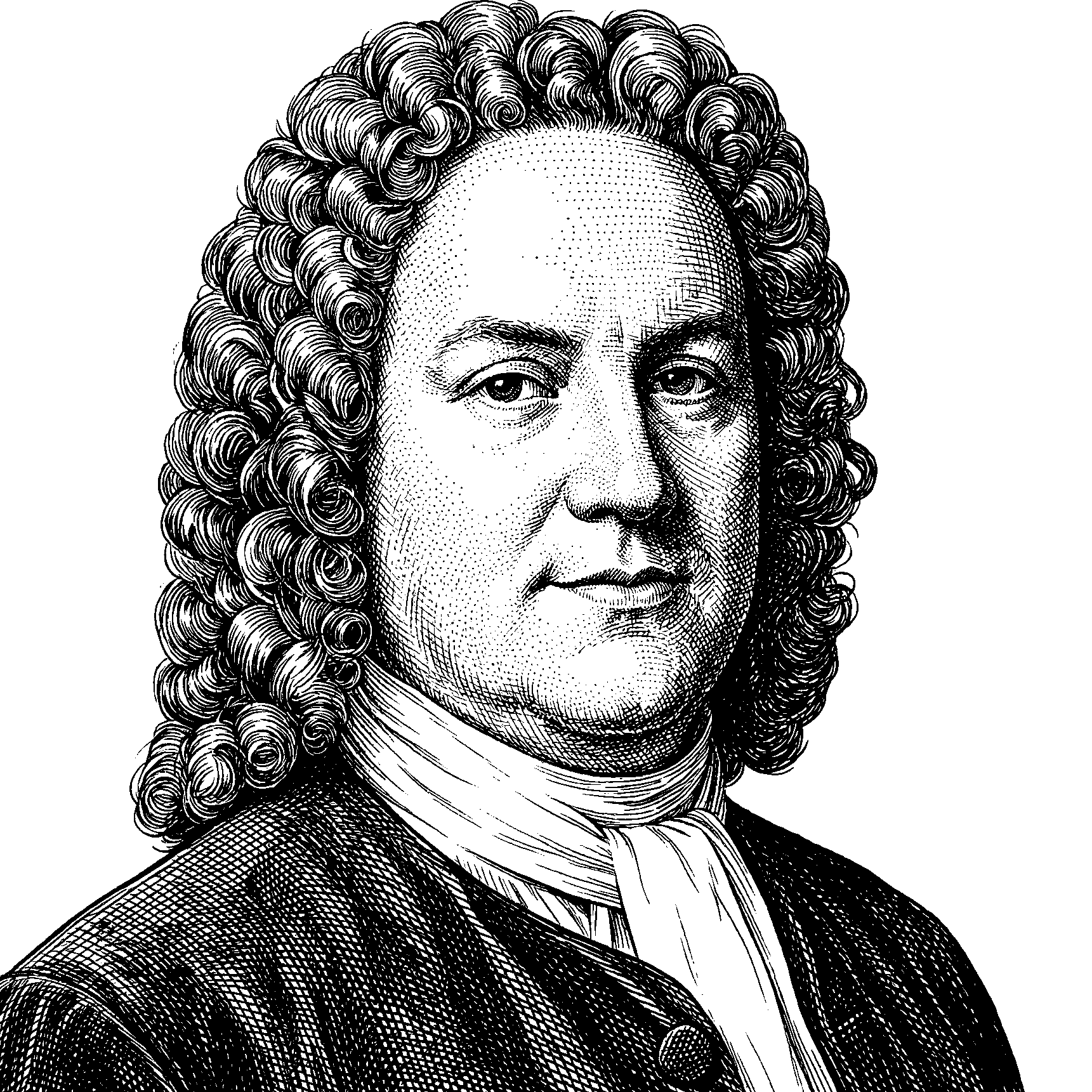
Benjamin Franklin

Benjamin Franklin

The rapid progress true science now makes occasions my regretting sometimes that I was born too soon. It is impossible to imagine the height to which may be carried, in a thousand years, the power of man over matter. We may, perhaps, deprive large masses of their gravity, and give them absolute levity, for the sake of easy transport. Agriculture may diminish its labor and double its produce: all diseases may by sure means be prevented or cured (not excepting even that of old age,) and our lives lengthened at pleasure, even beyond the antediluvian standard. Oh that moral science were in as fair a way of improvement, that men would cease to be wolves to one another, and that human beings would at length learn what they now improperly call humanity!
“Letter to Joseph Priestley,” The Papers of Benjamin Franklin, American Philosophical Society and Yale University, 1959

Related Quotes

Nick BostromNick Bostrom

Further rumination on these themes could climax in a naturalistic theogony that would study the structure of this hierarchy, and the constraints imposed on its inhabitants by the possibility that their actions on their own level may affect the treatment they receive from dwellers of deeper levels. For example, if nobody can be sure that they are at the basement-level, then everybody would have to consider the possibility that their actions will be rewarded or punished, based perhaps on moral criteria, by their simulators. An afterlife would be a real possibility. Because of this fundamental uncertainty, even the basement civilization may have a reason to behave ethically. The fact that it has such a reason for moral behavior would of course add to everybody else’s reason for behaving morally, and so on, in truly virtuous circle. One might get a kind of universal ethical imperative, which it would be in everybody’s self-interest to obey, as it were ‘from nowhere.’

Arthur EddingtonArthur Eddington

We have found a strange footprint on the shores of the unknown. We have devised profound theories, one after another, to account for its origins. At last, we have succeeded in reconstructing the creature that made this footprint. And lo! It is our own.

Sigmund FreudSigmund Freud

It seems certain that we do not feel comfortable in our presentday civilization, but it is very difficult to form an opinion whether and in what degree men of an earlier age felt happier and what part their cultural conditions played in the matter. . . . It is time for us to turn our attention to the nature of this civilization on whose value as a means to happiness doubts have been thrown.