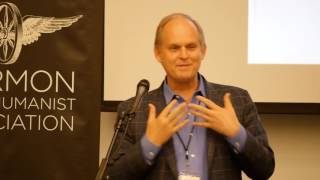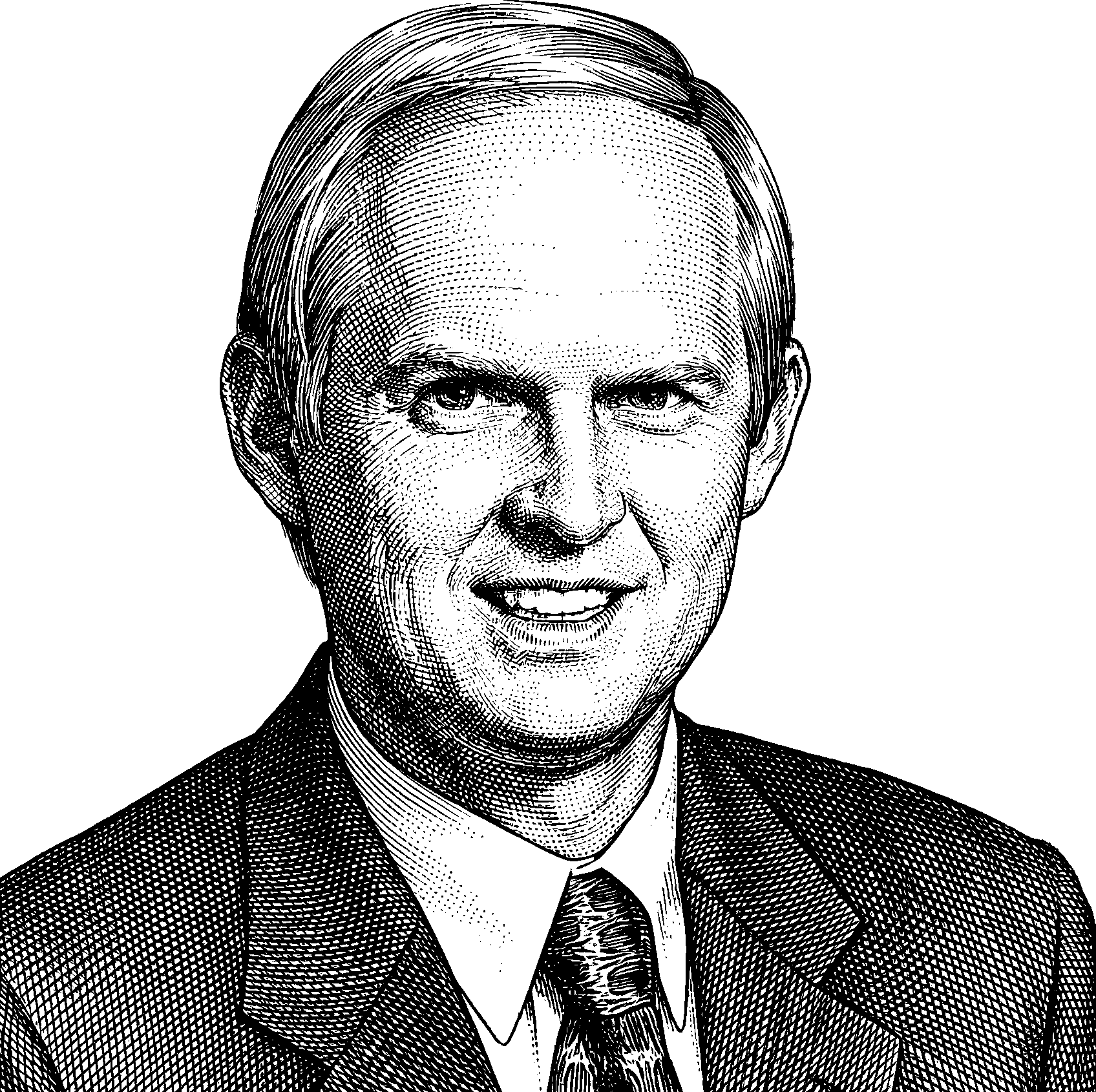
Robin Hanson is an economist and researcher known for his work on topics ranging from prediction markets and signaling theory to the potential societal impacts of future technologies, particularly artificial intelligence. His work often involves applying economic principles to understand and forecast long-term trends in growth and technological development. He is known for taking a ‘big picture’ approach to history, studying the history of the human economy over long timescales.
Hanson’s presentations often explore the possibility of dramatic future economic transformations driven by advances in AI and automation. He examines historical patterns of exponential growth, suggesting that the rate of growth is accelerating, and that this acceleration could lead to massive changes in the economy. He believes artificial intelligence represents a major possibility.
He was formerly an AI researcher and asks AI researchers about how far we have come in the last 20 years. His analyses provoke discussions about the future of work, the nature of intelligence, and the potential consequences of technological singularity.