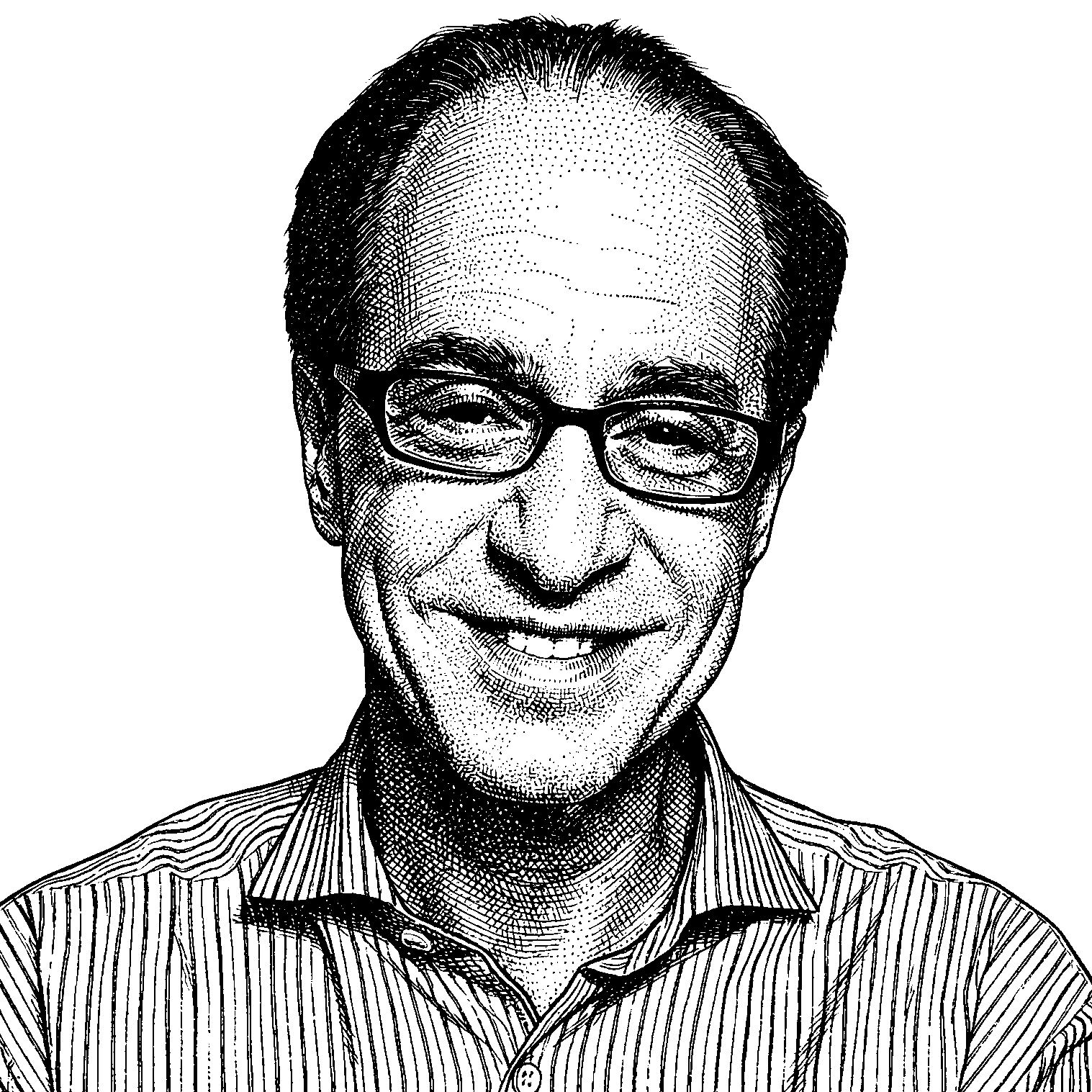
Raymond Kurzweil, born February 12, 1948, in Queens, New York, is an American inventor, futurist, and author who has been described as “the restless genius” by The Wall Street Journal. He graduated from MIT in 1970 with degrees in computer science and literature. Kurzweil is the principal inventor of numerous groundbreaking technologies, including the first CCD flatbed scanner, omnifont optical character recognition, the first printtospeech reading machine for the blind, the first texttospeech synthesizer, and commercially marketed largevocabulary speech recognition software. He has received the National Medal of Technology, was inducted into the National Inventors Hall of Fame, and holds 21 honorary doctorates.
Kurzweil is best known for his writings on the technological singularity—the predicted moment when artificial intelligence will surpass human intelligence, leading to unprecedented transformation. His influential book The Singularity Is Near (2005) articulates his vision of humanity’s merger with technology, predicting this transformation will occur around 2045. Currently serving as a Principal Researcher and AI Visionary at Google, Kurzweil continues to shape our understanding of exponential technological change and its implications for human potential, making his work foundational to transhumanist philosophy.