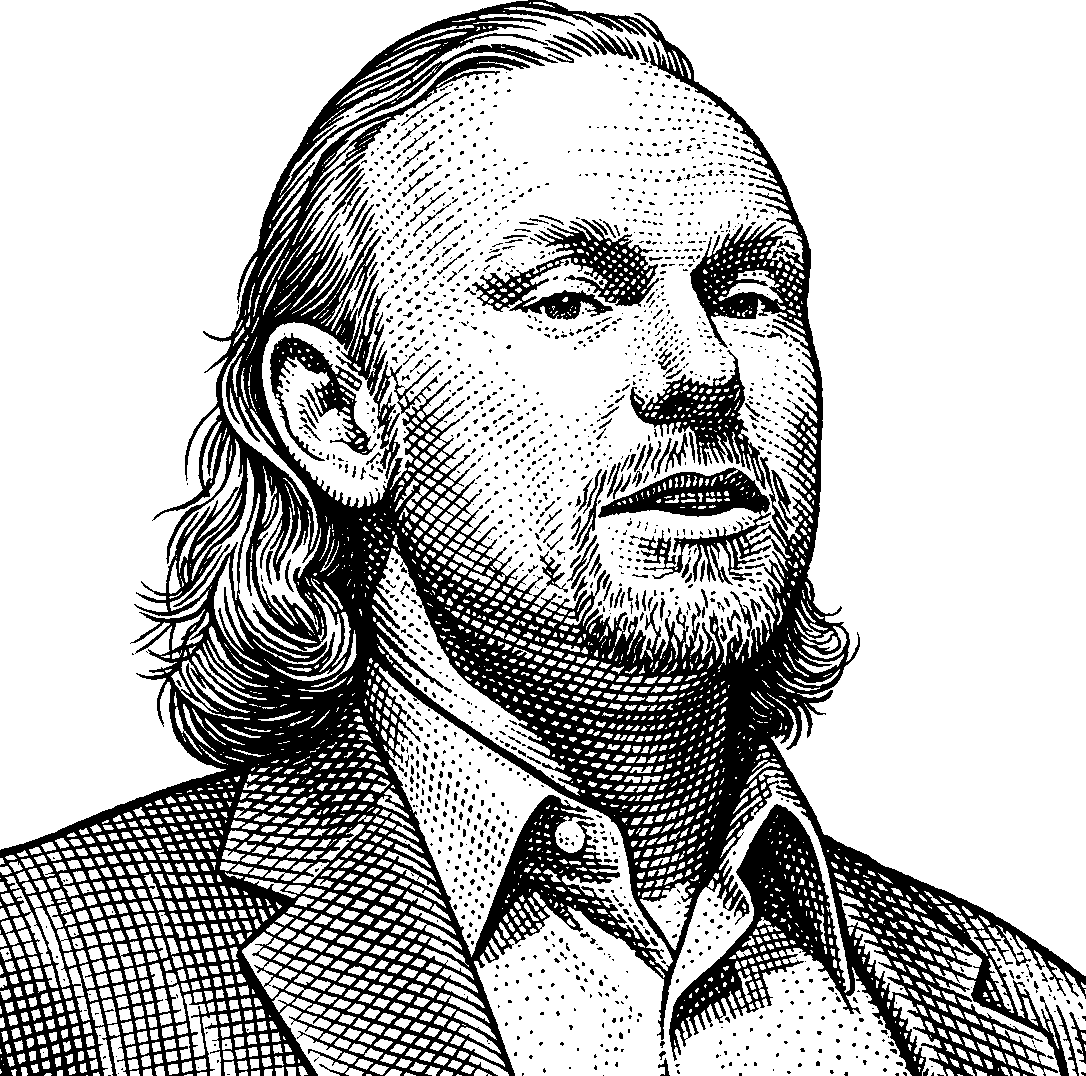
Max More is a prominent figure in the transhumanist movement. While his recent work has focused on decision-making and guiding progress through policy, his early work explored the spiritual elements of transhumanism. He sees transhumanism as encompassing both technological advancement to overcome human limitations and a continuation of humanist ideals from the Enlightenment.
More is known for his work on the concept of Extropy, defined as a metaphor for increasing order, information, intelligence, well-being, and creativity—the opposite of entropy. This concept embodies the idea of continuous improvement rather than static perfection. He explicitly addressed transhumanism within the context of religion, agnosticism, atheism, and the search for meaning in his 1989–1990 article, “Transhumanism: Towards a Futurist Philosophy,” published in Exodus Magazine.
More views transhumanism as a dual endeavor: one aspect aims to transcend human limitations through technology, altering genes, biology, and neurology to overcome limits to lifespan, intelligence, and emotional capabilities. The other emphasizes transhumanism as an evolution of humanism, rooted in Enlightenment ideals.