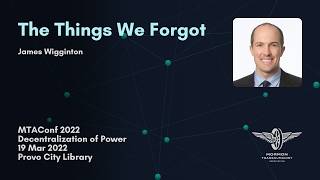
James Wigginton is an Of Counsel attorney at Orrick, Herrington & Sutcliffe LLP in Sacramento, California, where he advises entrepreneurs and investors as they pioneer new, more inclusive operating models in professional sports, finance, social media, gaming, agriculture, and other industries. Wigginton has demonstrated a keen interest in emerging technologies, notably diving into Web3 in 2021 by working on projects involving DAO-governed buyouts of professional sports teams and the creation of DAO-friendly business entities in collaboration with a Northern California Native American tribe.
Prior to joining Orrick, Wigginton was an attorney at Downey Brand LLP and gained earlier experience at Sullivan and Cromwell LLP. After law school, he clerked for the United States Court of International Trade in New York City. His academic background includes a BA in International Relations from Brigham Young University (2009), a Master’s in Philosophy in International Studies from the University of Cambridge (2011), and a JD from Stanford Law School (2013).
At the MTAConf 2022, Wigginton presented on the topic of digital communities and their potential to learn from ancestral wisdom in the context of Web3 development. His talk, “The Things We Forgot, or How Digital Communities Can Unload the Baggage of Modernity and Keep the Good Stuff,” emphasized the importance of historical context and human connection in building a better, decentralized future.